California's Homeowner Bill of Rights: Protections After a Homeowner Dies
By Doug Ranger, Broker/Owner, Ranger Realty, CDPE
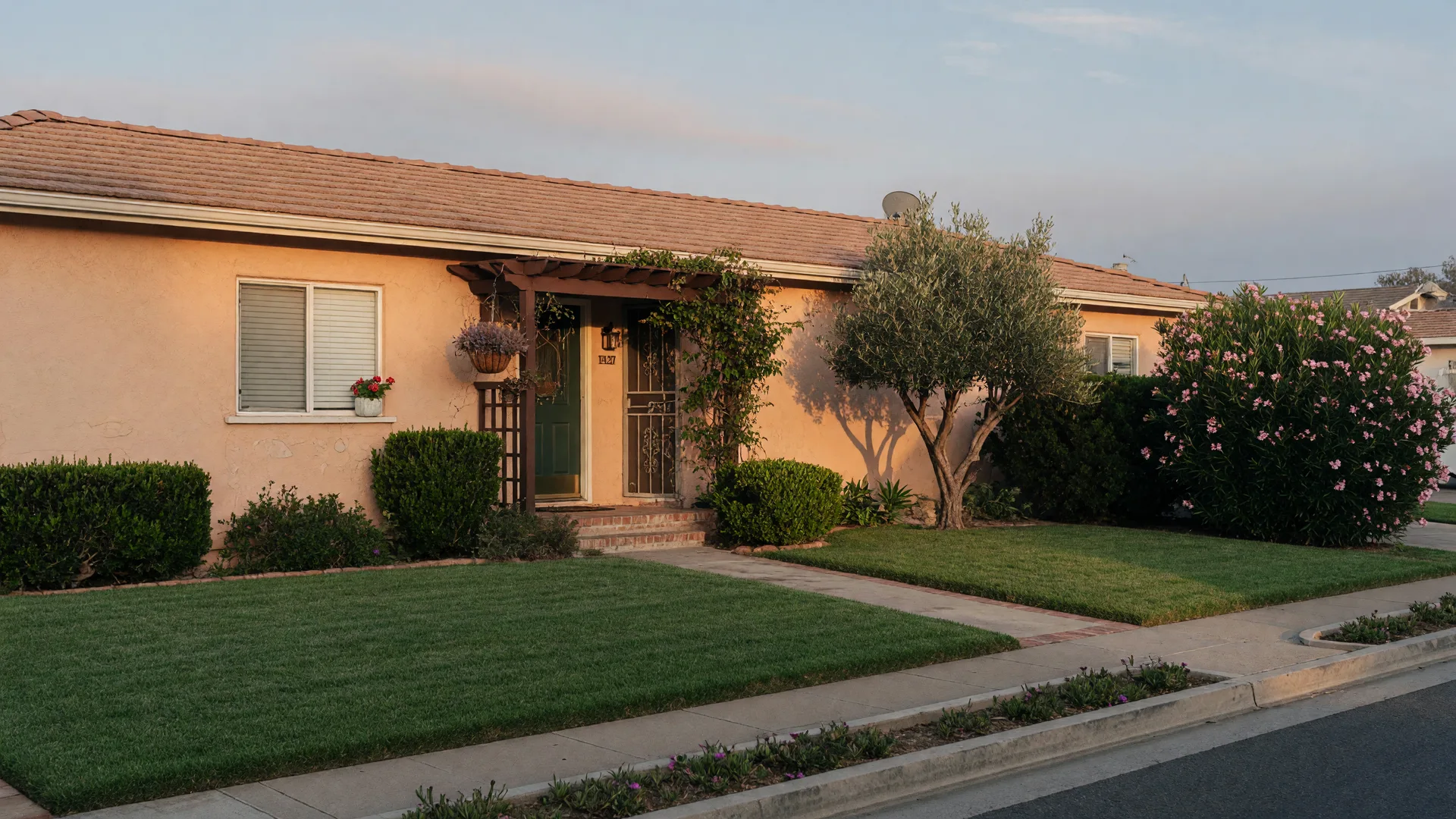
What happens to the mortgage when a homeowner dies in California depends on a set of rules that most families have never needed to know. One of the most important is the California Homeowner Bill of Rights, a state law that governs how mortgage servicers treat borrowers and their families when a home is at risk of foreclosure. If you are an executor, a successor trustee, or an heir, understanding these protections tells you what the servicer must do, what you can ask for, and how much time a family may have to act.
What the California Homeowner Bill of Rights Is
Enacted in 2013, updated in 2019, and still in force in 2026, the Homeowner Bill of Rights sets ground rules for how mortgage servicers conduct nonjudicial foreclosures on owner-occupied residential property in California, meaning homes of up to four units that the borrower lived in. Before the law, a family facing default often dealt with lost paperwork, unanswered phone calls, and a foreclosure that moved faster than anyone could respond. The law changed those expectations: servicers must follow a structured process, respond to borrowers, and generally cannot push a foreclosure forward while a genuine review of alternatives is underway. For a family that just lost someone, that framework is not a technicality. It is the difference between having time to think and running out of it.
The Ban on Dual Tracking
The law's most important protection is often called the ban on dual tracking. In plain terms, a servicer may not record a Notice of Default, schedule a trustee's sale, or complete a foreclosure sale while a complete loss mitigation application is pending. The servicer must make a written decision on the application before the foreclosure can move forward, and a denial can be appealed within the process the servicer provides.
What this means for an estate is concrete: if the executor or trustee submits a complete application for a loan modification or another foreclosure-prevention option, the foreclosure clock is, in effect, parked while the servicer reviews it. The home is not saved by the application itself. It is protected by the servicer's duty to finish the review honestly before acting. That is why the quality of the application matters so much: a complete, documented submission engages the protection, while a partial one may not.
A Single Point of Contact
Under the Homeowner Bill of Rights, a servicer must assign a single point of contact to a borrower who is at risk of default. That person must know the account, have access to the loan documents, and respond within the timeframes the rules require. For a family managing an estate, this is often the first real relief: one named person who can explain where the account stands, what documents the servicer needs, and what options exist.
Ask for the name and direct contact information of the person assigned to the account, and keep a written log of every call, including the date, who you spoke with, and what was promised. If a different person answers each time and no one can answer a direct question, that is not how the process is supposed to work, and the log is the record that shows it.
Outreach and Notices Before the Foreclosure Starts
The law also requires servicers to make good-faith efforts to reach out before recording a Notice of Default, to discuss loss mitigation and send written information about the options available. When the homeowner has passed away, that outreach may not reach anyone until the family contacts the servicer, which is one more reason the first call matters. Families should expect the servicer to be prepared to discuss alternatives such as modification, reinstatement, assumption, and sale, and to provide the application paperwork needed to begin. The obligation to reach out and inform is the servicer's, but the estate benefits most when the family initiates the conversation early rather than waiting for a notice in the mail.
Rules That Keep the Foreclosure Paperwork Honest
The law includes accuracy requirements for the documents that drive a nonjudicial foreclosure. Foreclosure filings must be reviewed and based on correct, complete information, and a servicer cannot simply sign off on documents without checking them, the practice known as robo-signing. If the amounts in a Notice of Default are wrong, or the paperwork does not line up with the account records, the family has grounds to challenge it. Estate administration is full of details that need correction, and the foreclosure file is no different: an error on the servicer's side can buy the estate time while the record is corrected.
A New Tool: Postponing a Scheduled Sale to Finish a Sale
A more recent change gives a family something concrete to use when a trustee's sale is already scheduled. Under a law that took effect in January 2025, a homeowner facing a scheduled foreclosure sale can postpone it twice: up to 45 days by submitting a signed listing agreement with a licensed real estate agent, and an additional 45 days by submitting a fully executed purchase agreement, for a total of up to 90 days. Each request must be made at least five business days before the scheduled sale.
For an estate, this can be the difference between an orderly probate or trust sale and losing the home at auction. A listing agreement is ordinary paperwork when a family chooses to sell. Under this law, it also becomes a way to hold the auction date back long enough for the sale to close, which is why an agent who understands probate and trust timelines matters at this stage.
When the Homeowner Has Died: Who the Protections Reach
There is an honest complication worth naming. The strongest protections attach to loans secured by owner-occupied residential property, and after a death the estate, the trust, or the heirs are not the named borrower. California once added a special law for family members of a deceased borrower, a successor-in-interest statute that took effect in 2017 and expired at the start of 2020. That state-level protection is no longer in force.
What remains is the owner-occupied framework itself, which is generally measured by the borrower's residence and can still reach a home that was the deceased homeowner's principal residence, plus federal rules under Regulation X that give heirs certain successor-in-interest rights to loan information and loss mitigation, and each servicer's own policies. The practical translation: families should ask the servicer to recognize them as the successor in interest, provide the death certificate and proof of authority, and request loss mitigation in writing. What applies to a specific account varies by loan type and servicer, which is why a conversation with a HUD-approved housing counselor or a probate attorney is the right next step rather than a guess.
The Protections Have Teeth
These rules are not advisory. If a servicer violates the Homeowner Bill of Rights, a family can seek relief: before the sale, the courts can order the foreclosure stopped or set aside; after the sale, the law allows recovery of actual economic damages, and for intentional, reckless, or willful violations the greater of treble damages or fifty thousand dollars, plus attorney's fees for a prevailing homeowner. Most families never need to enforce the law. Its value sits in the standards it sets: servicers know the process is watched, and most do the work properly. But when a servicer does not, the family is not without recourse, and a housing counselor or attorney can walk through what a violation looks like.
First Steps for an Executor, Trustee, or Heir
1. Establish Who Can Act
Identify the executor, administrator, or successor trustee with authority over the property, and have the death certificate and the letters of administration or trust documents ready. The servicer will want to see proof of who it is talking to.
2. Get the Account Status in Writing
Ask for the last payment date, the current balance, whether a Notice of Default has been recorded, and whether a sale date has been set. Written answers become the family's roadmap.
3. Submit a Complete Loss Mitigation Application
A complete application is what engages the ban on dual tracking. Fill out every page, attach every requested document, and use the single point of contact to confirm the package is complete before the review begins.
4. Keep a Written Record
Log every call, email, and letter, and keep copies of everything sent to or received from the servicer. If a dispute arises, the record decides it.
5. If a Sale Is Scheduled and the Family Is Selling, Use the Postponement
A signed listing agreement and later a fully executed purchase agreement can each push the sale date back, for up to 90 days of total runway. An agent who works with probate and trust sales can time the listing so the estate has room to complete the sale rather than lose it at auction.
6. Bring in the Right Help
State and federal rules shift over time, and the specifics vary by loan type. A HUD-approved housing counselor, a probate attorney, and a real estate professional who works with estates are the people to compare the family's actual numbers against the available options.
"As a family, you are not expected to know the foreclosure rules by heart. The Homeowner Bill of Rights exists so that the process has to slow down enough for you to make an informed decision. The deadline is real, and so are the protections. Knowing both is how families protect what the home still holds."
Doug Ranger, CDPE
A mortgage after a death is a burden no family asks for, but the California Homeowner Bill of Rights gives the people managing that mortgage real protections: an honest review of alternatives, a single person to talk to, and, with the newer postponement rules, time to complete a sale instead of losing the home at auction. You do not have to master the law on your own. The first call to the servicer, to a housing counselor, or to a professional who handles probate and trust sales is the step that puts every protection within reach.

Doug Ranger
Broker/Owner, Ranger Realty. Licensed since 1997. Certified Distressed Property Expert (CDPE) specializing in probate, trust, and inherited property sales throughout Southern California.
Talk Through Your Situation
Doug offers a free, no-obligation consultation for families, executors, and trustees protecting or selling an inherited home with mortgage debt.