Deficiency Judgments After Foreclosure or Short Sale in California
By Doug Ranger, Broker/Owner, Ranger Realty, CDPE
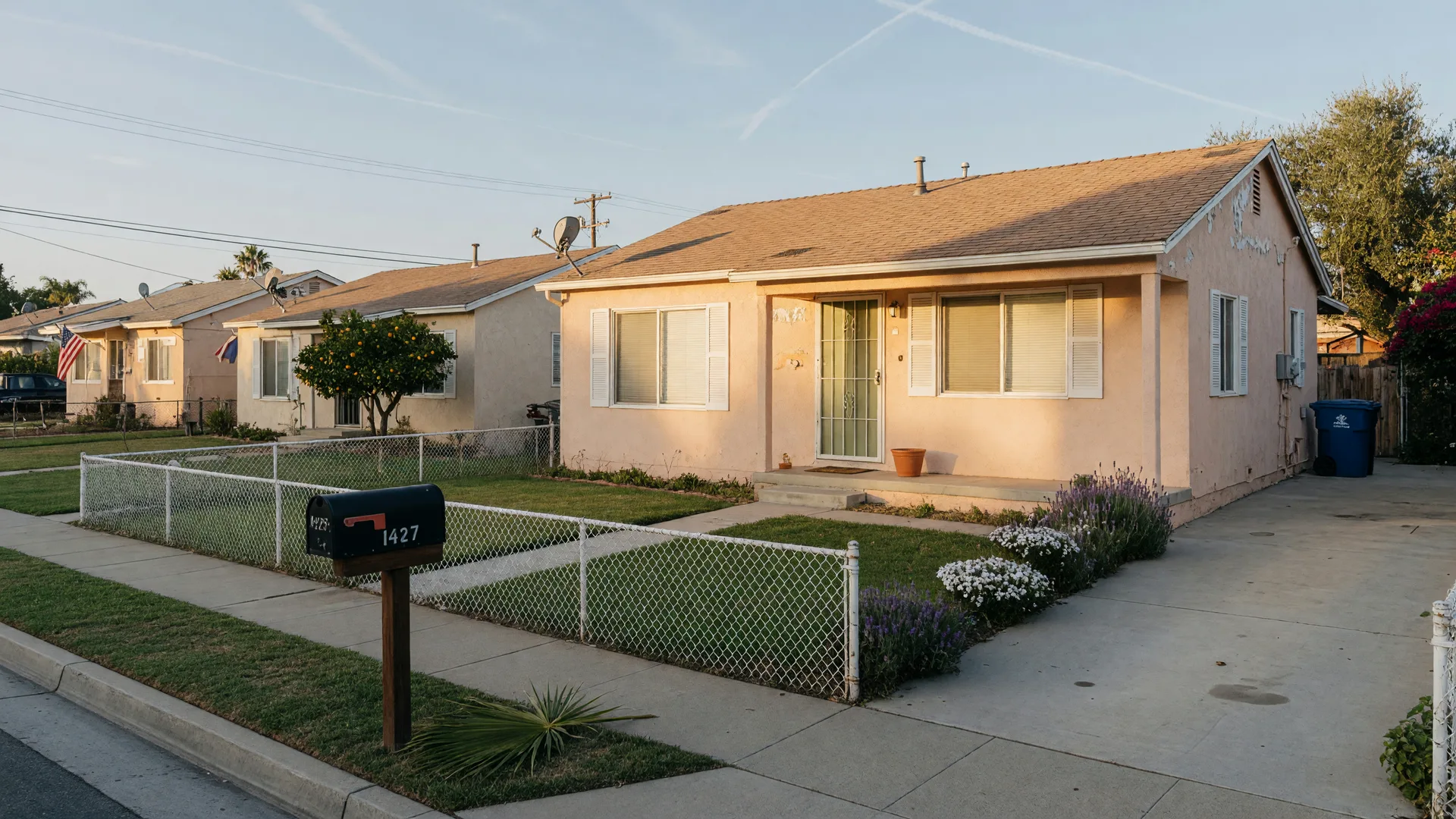
When a home sells for less than the balance owed on the mortgage, the difference is called a deficiency, and many families worry that the lender will come after them personally for the shortfall. In California, the law limits this in important ways: for most residential home loans, a lender cannot collect a deficiency judgment after a nonjudicial foreclosure, and an approved short sale generally brings the same protection. For an estate, the practical reality is that heirs are not personally responsible for a deceased homeowner's mortgage, and the shortfall, if any, is a matter for the estate, not for the family's own accounts.
What Is a Deficiency Judgment?
A deficiency is the amount by which the money recovered from selling a home falls short of the total debt it secured. If a home is sold at a trustee's sale or through a short sale for less than what is owed, the lender has collected only part of its money. A deficiency judgment is a court order allowing the lender to pursue the borrower for the unpaid remainder.
Whether a lender can actually do that depends on the type of loan and how the property was sold. This is where California's anti-deficiency statutes become important, especially for a family already managing an estate.
California's Anti-Deficiency Protections
California law sharply limits deficiency judgments for residential property. The protections come from several statutes, and together they cover the most common situations:
Purchase-Money Loans
Under Code of Civil Procedure section 580b, no deficiency judgment may be obtained on a "purchase-money" loan, meaning a loan used to buy a home of up to four units. The lender's recourse is the property itself. If the home is sold for less than the loan, the lender cannot pursue the borrower for the difference. This protection applies even when the loan was used to pay part of the purchase price.
Refinances After 2013
A refinance of a purchase-money loan, and later refinances of that loan, are generally also protected from a deficiency judgment when the refinance was executed on or after January 1, 2013. The one common exception is a new cash advance that is not applied to the prior loan or to fees and costs. This matters because many families refinanced their parents' homes over the years, and the protection can carry forward.
Nonjudicial Foreclosure
Under Code of Civil Procedure section 580d, a lender cannot obtain a deficiency judgment after a nonjudicial foreclosure, which is the trustee's sale that most California foreclosures use. Because the lender chooses this route in the vast majority of cases, the practical effect is that most California foreclosures produce no deficiency judgment at all.
Approved Short Sales
Under the law that grew out of Senate Bill 458, a lender cannot pursue a deficiency judgment after an approved short sale of a one-to-four-unit residential property when the lender agrees in writing and receives the net proceeds. The California Supreme Court has also applied the purchase-money protection to short sales. For an estate, an approved short sale is often the cleanest way to resolve an underwater property without the family facing a personal judgment.
What Does This Mean for the Estate and the Heirs?
Under California probate rules, heirs do not personally inherit a deceased homeowner's debts. The estate is responsible for the debts of the deceased person, and that responsibility is satisfied from estate assets before anything is distributed to heirs. A deficiency, if one could be pursued at all, would be collected from the estate, not from a family member's personal funds.
There are two important limits on that protection. Heirs can become personally responsible if they formally assume the loan and take over the payments. And the mortgage remains a lien on the property itself, so the lender can still foreclose on the home even though it cannot chase the family for a shortfall. The home can be lost, but the family's other assets are generally protected.
Why This Matters When a Home Is Underwater
When an inherited home is worth less than its mortgage, executors and trustees often fear that selling it, or letting it go to foreclosure, will expose the family to a personal judgment. Understanding the anti-deficiency rules can take that fear out of the decision. It does not make an underwater home profitable, but it means the family can weigh a short sale or a foreclosure with accurate information about who is, and who is not, at risk.
Every situation is different, and the details of the loan, the sale, and the estate matter. A probate attorney can confirm how the rules apply to a specific loan, and a Certified Distressed Property Expert can map the practical sale options alongside them. The goal is a decision made from facts, not from fear.
"Families carry enough weight after a loss. Understanding California's anti-deficiency protections means you can look at a difficult mortgage honestly, without the added fear that the lender will reach into your own savings."
Doug Ranger, CDPE
If you are managing an estate with a mortgage that exceeds the value of the home, you are not without protection or options. A conversation with someone who understands both the law and the sale process can turn an overwhelming problem into a clear set of choices.

Doug Ranger
Broker/Owner, Ranger Realty. Licensed since 1997. Certified Distressed Property Expert (CDPE).
Talk Through Your Situation
Doug offers a free, no-obligation consultation for families, executors, and trustees protecting or selling an inherited home.