What Documents Do Lenders Need After a Homeowner Dies?
By Doug Ranger, Broker/Owner, Ranger Realty, CDPE
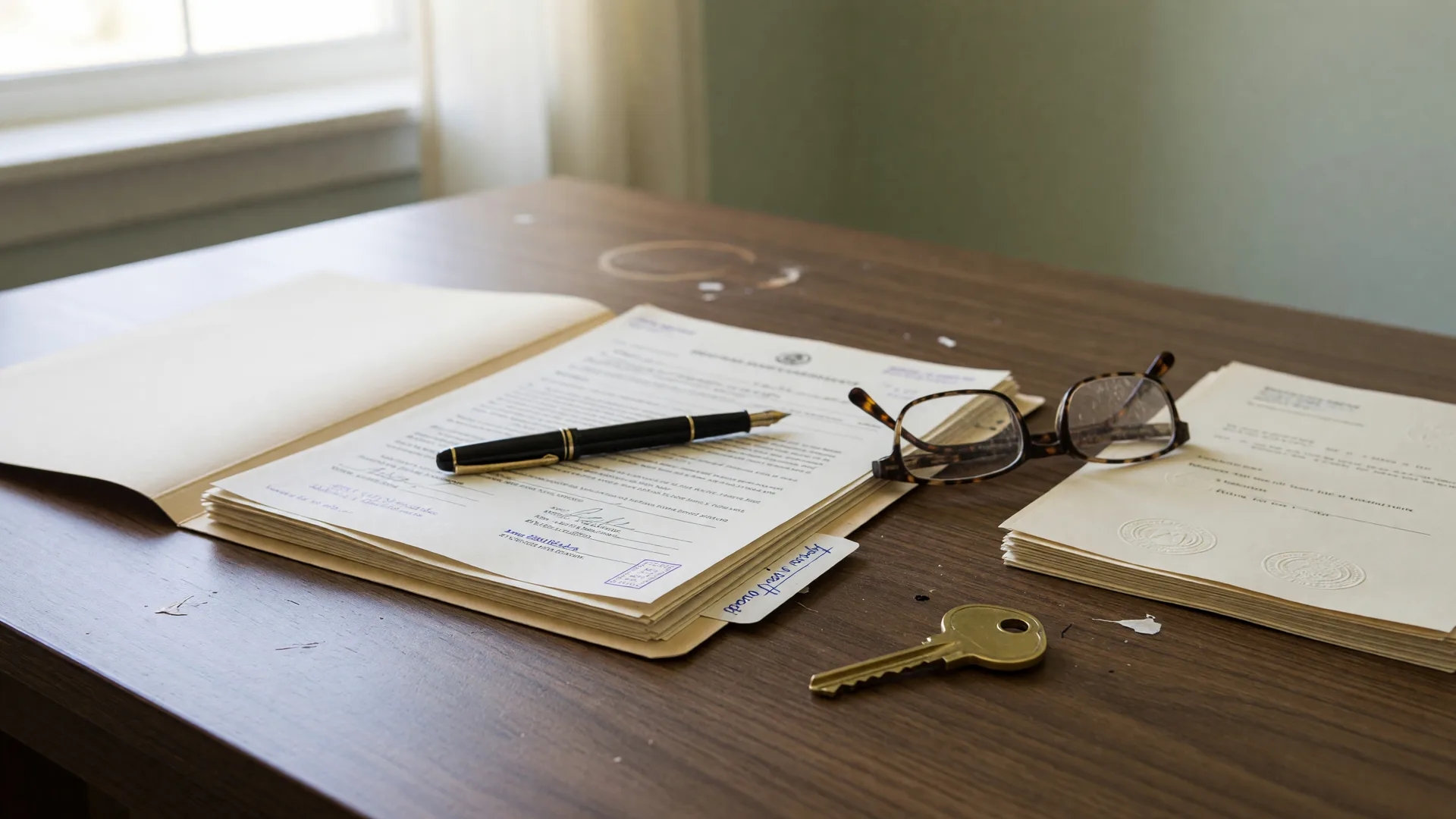
When a family notifies a mortgage servicer that a homeowner has died, the servicer will ask for documents that prove three things: that the homeowner has died, that the person contacting it has an ownership interest or the authority to act, and how the property is held. The list is shorter and more predictable than most families expect, and the servicer is limited by law to what it can reasonably request. Here is what lenders typically ask for, why each document matters, and how to gather them without delay.
The Documents Almost Every Servicer Will Ask For
In nearly every case the servicer will ask for the death certificate, the loan number, and the property address, along with proof of your identity and your relationship to the homeowner. A certified copy of the death certificate is the document that does the most work: it confirms the death and it is what the servicer needs to begin treating the account as an estate or trust matter. Order several certified copies early, because the servicer, the county, the title company, and the estate attorney may each want one.
Beyond that, the documents the servicer requests depend on how the home is titled and who is contacting them. Under the federal mortgage servicing rules, a servicer may only request documents that are reasonable in light of the state's laws, the family's specific situation, and the type of transfer. It cannot demand a probate order when state law does not require probate, and it cannot require you to assume the loan in order to receive account information. You can learn more about the conversation itself in How to Contact the Mortgage Lender After a Homeowner Dies.
Proof of Authority Depends on How the Home Is Titled
The single document that changes most is proof of authority, and it depends entirely on how the property is held. A home in a living trust is handled by the successor trustee, who can act immediately after the grantor's death. A home with a will goes through an executor appointed by the probate court. A home with no will goes through an administrator appointed by the court. Each role carries its own proof, and the servicer will ask for the one that matches the title. We explain the roles in Executor, Administrator, or Successor Trustee: Who Can Act on the Estate?
Documents for a Home Held in a Living Trust
When the home is in a revocable living trust, the successor trustee typically provides the death certificate plus a certification of trust. A certification of trust is a short, recorded document that states the trust exists, names the trustee, and confirms the trustee's authority, without revealing the full terms of the trust or the value of its assets. Some servicers also ask for the relevant pages of the trust agreement itself. Because the successor trustee can act without a court proceeding, this is often the fastest path to confirmation, and it is one of the reasons trust-owned homes can move more quickly than probate estates.
Documents for a Home Going Through Probate
When the home passes through probate, the executor or administrator provides the Letters Testamentary or Letters of Administration issued by the court, along with the death certificate. Those letters are the official proof that the court has appointed the person who is contacting the servicer, and they are what the servicer needs before it will share full account information or discuss loss mitigation. The will itself is sometimes requested as well. Until the letters are issued, the servicer can still be notified of the death and can still confirm a potential successor in interest, so the paperwork gap does not have to mean silence.
Documents When There Is No Will and No Probate Yet
When a homeowner dies without a will, the servicer may accept an affidavit of heirship together with the death certificate and documents showing your relationship, such as a birth or marriage certificate. State law determines who the heirs are, and the servicer must accept state-appropriate alternatives rather than insisting on a probate proceeding that the law does not require. If the estate does open probate later, the Letters of Administration simply replace the affidavit. For the full picture of this path, see What Happens to the Mortgage When a Homeowner Dies Without a Will?
What the Servicer Cannot Demand
The reasonable-documents rule cuts both ways. The servicer can ask for what it needs to confirm identity and ownership, but it cannot demand documents that are not reasonably available, and it cannot use the paperwork as a reason to stop communicating. It must tell you what it needs, tell you when it has received everything, and confirm you as a successor in interest. If a servicer asks for something that does not fit the situation, it is worth asking why and pointing to the rule. Most requests, though, fall into the predictable list above.
Organize the Documents Before You Call
A few hours of organization before the first call makes the whole process smoother. Gather the certified death certificate, find the most recent mortgage statement for the loan number and servicer contact, confirm how the home is titled, and identify who holds authority over it. Then assemble the proof of authority that matches: the certification of trust, the Letters Testamentary or Letters of Administration, or the affidavit of heirship. Keep copies of everything you send, note the date you send it, and follow up if you have not heard back within a reasonable time.
"Paperwork after a loss is not busywork. Each document answers one question for the servicer, and each answer keeps the conversation moving."
Doug Ranger, CDPE
What to Do With the Documents
Send copies, never originals, and keep a written log of what was sent and when. The same documents will be needed again by the estate attorney, the title company, and the county, so a single folder with the death certificate, the title documents, and the proof of authority becomes the family's working file. While the documents are being gathered, the mortgage itself still needs attention; we covered the ongoing obligations in Protecting the Home While the Estate Is Open, and the modification path in Loan Modification After a Death.
Gathering paperwork is rarely the part of an estate that families expect to be hardest, and it does not have to be done alone. Doug has helped executors, trustees, and heirs manage inherited-property mortgages across Southern California since 1997, and a free consultation can turn the document list into a plan.

Doug Ranger
Broker/Owner, Ranger Realty. Licensed since 1997. Certified Distressed Property Expert (CDPE).
Not Sure Which Documents Apply?
Doug offers a free, no-obligation consultation for families, executors, and trustees protecting or selling an inherited home.