How an Executor Sells the Estate Home in California: A Step-by-Step Guide
By Doug Ranger, Broker/Owner, Ranger Realty, CDPE
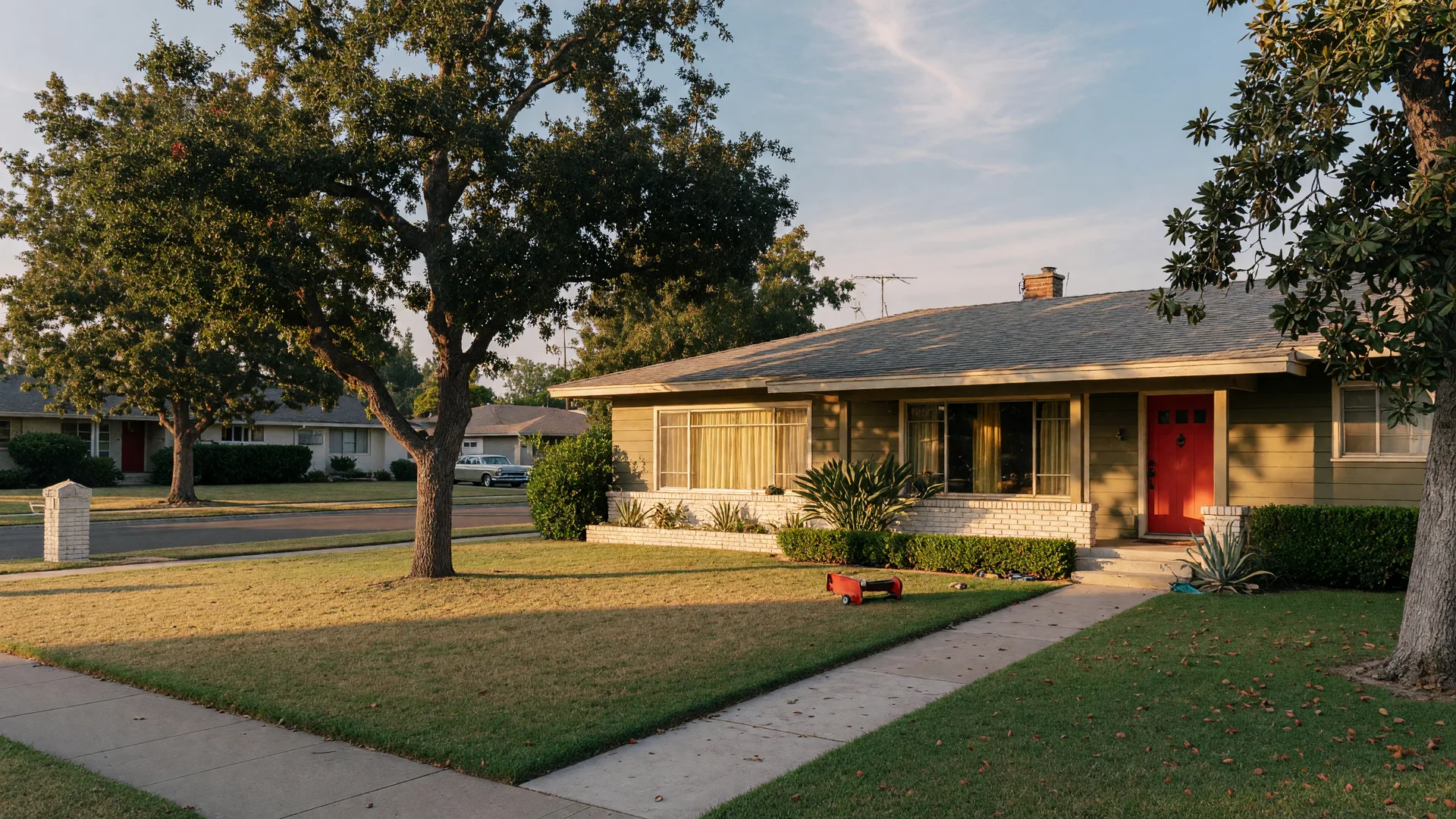
When a homeowner passes away and the estate includes a house, the executor or administrator is responsible for selling it under the supervision of the California probate court. The process follows a defined path: appointment, a court-appointed appraisal, a sale that is subject to court approval, and a confirmation hearing where a judge reviews the price. This guide walks through each step so families and executors know what to expect and when.
Who Has the Authority to Sell the Estate Home?
Authority comes from the court, and it comes in one of two forms. If the homeowner left a will, the person named in it is the executor, and the court issues Letters Testamentary. If there was no will, the court appoints an administrator and issues Letters of Administration. Until those Letters are issued, no one has the legal authority to list the home, sign a purchase agreement, or speak for the estate with the lender.
If the home was held in a living trust rather than in the deceased person's name alone, the process is different: the successor trustee acts under the trust document, and court confirmation is usually not required. This guide covers the probate path, which applies when the property is part of a court-supervised estate.
Step 1: Open Probate and Get Appointed
The executor or a family member files a petition with the probate court in the county where the deceased person lived. After a hearing, the court appoints the executor or administrator and issues the Letters that grant authority over the estate. Only after appointment can the executor act on the mortgage, list the property, or enter into a contract to sell it.
Step 2: The Probate Referee's Appraisal
Every probate case that includes a house requires an appraisal by a court-appointed probate referee. The referee values the home as of the date of death, and that value is recorded on the Inventory and Appraisal (Form DE-160) that is filed with the court. This appraisal is not a listing price; it is a court record that sets the baseline for the sale, and it matters later when the confirmation hearing applies the 90 percent rule.
Step 3: Know Whether the Sale Needs Court Confirmation
Whether a sale must be confirmed by a judge depends on the authority the executor holds. Under the Independent Administration of Estates Act (IAEA), an executor with full authority can sell real property without a confirmation hearing, and the 90 percent rule does not apply. If authority is limited, the sale must be presented to the court for confirmation. A probate attorney can confirm which authority applies to the specific estate early in the process.
Step 4: Market the Home and Accept an Offer
With Letters in hand, the executor lists the home with a real estate professional who understands probate sales. Offers are accepted subject to court approval, and a deposit of roughly 10 percent of the purchase price is customary. Buyers should understand from the start that the sale is not final until the court confirms it, which shapes how the escrow is structured.
Step 5: File the Report of Sale and Petition for Order Confirming Sale
Once an offer is accepted, the executor files a Report of Sale and Petition for Order Confirming Sale (Form DE-260) with the court. Heirs and beneficiaries are given notice of the hearing, and a date is set. This filing tells the court that a buyer has been found, at what price, and on what terms.
Step 6: The Confirmation Hearing and the Overbid Rules
At the confirmation hearing, the judge reviews whether the sale is in the estate's best interest and whether the executor obtained the highest and best price reasonably available. Other buyers may bid in open court, and the court confirms the sale to the highest responsible bidder who meets the statutory requirements.
The minimum overbid is set by Probate Code Section 10311: a valid overbid must be at least 10 percent more on the first $10,000 of the original bid, plus 5 percent of the amount above $10,000. For an original bid of $300,000, the first overbid must be at least $315,500. Knowing this number in advance helps the executor and the buyer prepare for what can happen in the courtroom.
The 90 Percent Rule
Under Probate Code Section 10309, a private sale of real property cannot be confirmed unless the offered sum is at least 90 percent of the appraised value, with the appraisal completed within one year of the hearing. This rule protects the estate from accepting a price far below the court-appointed value. It does not apply when the executor holds full IAEA authority, which is one more reason to clarify the authority early.
Step 7: Close of Escrow and Distribution
Once the court confirms the sale and orders the conveyance, escrow closes on the terms approved by the judge. The proceeds pay the costs of sale, any liens including the mortgage, and the expenses of administration, and the remaining balance is distributed to the beneficiaries according to the will or California's intestate succession rules. The mortgage is paid off at the close of escrow, which is how most estate homes resolve their loan.
The Mortgage While the Sale Is Pending
The mortgage stays attached to the property while probate is open, and probate does not stop a foreclosure. If the estate has funds, keeping the payments current during the sale process is one of the most direct ways to protect the home and preserve the estate's equity. If the payments cannot be made, the executor should contact the lender early, because the options available before a default are broader than the ones available after one.
When the Home Is Worth Less Than the Mortgage
If the estate home is worth less than what is owed, the executor may need to pursue a short sale with the lender's approval, which carries its own requirements and timeline. The probate sale and the short sale overlap in this situation, and both rules apply at once. An experienced probate and distressed-property professional can help the executor compare the paths honestly before choosing one.
"Most of what makes a probate sale feel uncertain is simply unfamiliarity. The steps are defined, the court reviews the price, and a family that knows the process can move through it with far less worry."
Doug Ranger, CDPE
Working With an Attorney and a Probate-Savvy Agent
A probate attorney handles the court filings, the hearing, and the legal questions about authority. A real estate professional who works with probate sales handles the marketing, the pricing, and the escrow. Working with both, and starting early, keeps the process orderly and protects the estate's value at every step.
Selling an estate home is a process with clear steps, and each step has a reason behind it. The court exists to protect the estate and the family, and knowing how the process works is the best way to move through it with confidence.

Doug Ranger
Broker/Owner, Ranger Realty. Licensed since 1997. Certified Distressed Property Expert (CDPE).
Walk Through the Probate Sale Process
Doug helps executors and administrators sell estate homes throughout Southern California, from the first listing to the confirmation hearing and close of escrow.