What Happens to a Home Equity Loan or HELOC After a Homeowner Dies?
By Doug Ranger, Broker/Owner, Ranger Realty, CDPE
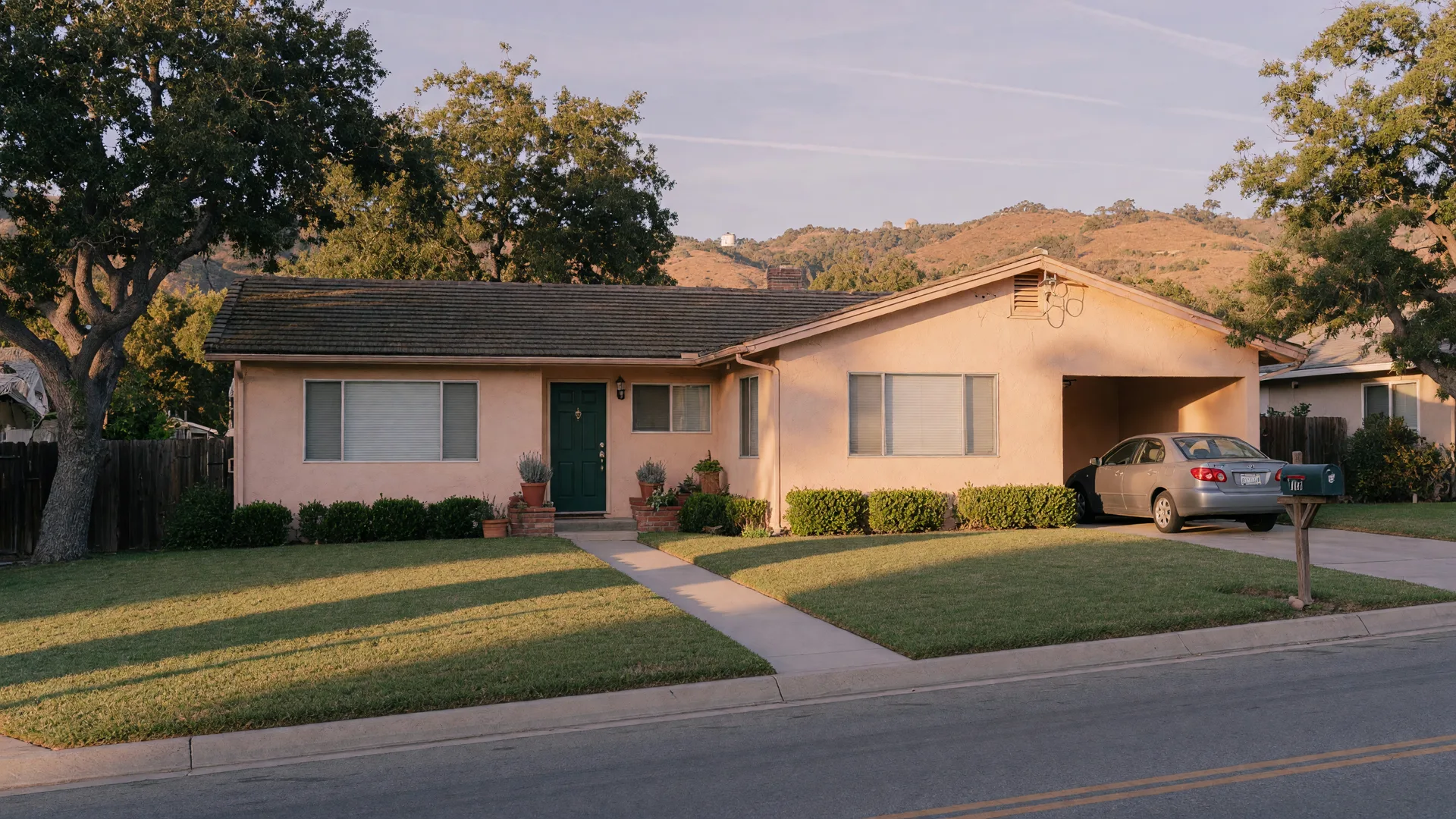
A home equity loan or home equity line of credit does not disappear when the homeowner passes away. It remains a valid lien against the home and a debt of the estate, and it must be resolved before the property can pass free and clear. Heirs are generally not personally responsible for the balance, but the second mortgage follows the house, and it can push an inherited home toward distress if no one acts. Understanding how a second lien works after a death matters whether the home is held in a living trust or titled in the owner's name alone.
What a Home Equity Loan and a HELOC Are
Most California homes carry a first mortgage, the loan recorded first against the property. A home equity loan is a second mortgage: a separate loan secured by the home, recorded after the first deed of trust, often used for renovations, debt consolidation, or other needs. A HELOC, a home equity line of credit, is a credit line backed by the home that the borrower can draw from during a set draw period, then repay over time.
Both sit behind the first mortgage in priority. That matters at a sale, because the first loan is paid first from the proceeds. But both are also real debts secured by the house itself, and neither is forgiven simply because the borrower has died. When a family also holds a second lien, it is part of the financial picture from the very first conversation.
What Happens to the Second Lien at the Homeowner's Death
Like a first mortgage, a home equity loan or HELOC is tied to the property rather than to the life of the borrower. When the homeowner dies, the balance remains outstanding, interest continues to accrue, and the debt becomes an obligation of the estate. The lender cannot generally collect from heirs who did not sign the loan, and an inheriting family member is not personally on the hook for the balance just because they received the house.
What the lender can do is enforce the lien against the property. If the payments stop, the second loan falls into default, and a mortgage holder with an unpaid lien has foreclosure rights over the property, just as the first lender does. In a foreclosure or a sale, the first mortgage is paid first and the second lien is paid from what remains. This is why an inherited home with two loans can become a distressed property more quickly than anyone expected: two payment obligations are now sitting in an estate that has not yet organized itself.
Can Heirs Keep the Loan or the Line of Credit?
In many cases, yes. The federal Garn-St. Germain Act protects transfers of residential property to relatives upon the death of the borrower, and that protection applies to second mortgages and HELOCs as well as to first loans. A family member who inherits the home can generally continue the existing payments on the same terms, with the same balance and interest rate, instead of being forced to refinance or pay off the loan all at once.
There is an important difference with a line of credit: upon notice of the death, lenders routinely freeze a HELOC. The account stops allowing new draws, even for the heir. A co-borrower who signed the loan documents can usually keep the line active, but a non-borrowing heir can typically continue making payments on the amounts already advanced rather than drawing new money. California's own successor-in-interest law from 2017 expired on January 1, 2020, so the protection today rests on federal law and on each lender's policies. The practical point is the same: an heir who inherits the home is not forced to refinance overnight, but the credit line itself usually freezes at the date of death.
How a Second Lien Is Paid When the Home Is Sold
When an inherited home is sold, the proceeds pay the liens on the property in the order they were recorded: the first mortgage first, then the home equity loan or HELOC, then other liens such as unpaid property taxes, and whatever remains belongs to the estate and its heirs. This is why the balance of every loan matters, not just the one with the largest payment. An executor, administrator, or successor trustee should request a payoff statement from each lender so the totals are known before any offer is weighed.
If the home sells for less than the combined debt, the estate may need a short sale, which requires each lender's agreement to accept less than the full balance. When a property is in probate, those terms and the sale price itself remain subject to the court's review, which is one more reason a second lien should be named early rather than discovered late.
Why a Second Lien Can Make an Inherited Home a Distressed Property
A home with two mortgages sits closer to the edge than a home with one. Combined balances can approach or exceed the property's value, especially after years of draws on a line of credit, and when payments stop after a death, both loans can move toward default at once. A trust-owned home is not shielded from this. The successor trustee has the same responsibility to keep the loans current or address them directly, because the lien attaches to the property, not to the name on the trust.
Naming the situation early is what keeps more options available. A lender is far more willing to discuss loss mitigation, an assumption, or a modification while a loan is current or only slightly behind than it is after a trustee's sale has been scheduled. The same principle that applies to a first mortgage applies to the second.
Steps for Heirs, Executors, and Trustees
1. Locate the Loan Documents
Find the statements for every loan on the property: the first mortgage, any home equity loan, and any line of credit. Note the lender or servicer, the loan number, the current balance, and the monthly payment for each. A credit report and the county recorder's records can help identify liens that were not obvious from the mail.
2. Notify Both Lenders of the Passing
Contact the servicer of each loan, confirm the homeowner has passed away, and have the death certificate and your authority as executor, administrator, or trustee ready. Ask what documents each lender requires and what options it offers for an estate, including continuation, assumption, or modification. You are not committing to anything by asking.
3. Keep Payments Current if the Estate Has Funds
If the estate can manage it, keeping both loans current during administration is often the most direct way to protect the home. Current accounts keep every door open, and they prevent the recorded notices that begin a California foreclosure.
4. Request Payoff Statements
Ask each lender for a payoff statement so you know the exact amount needed to clear each lien. Compare that total against an honest estimate of the home's current value. That single comparison tells you whether the estate has equity, is roughly balanced, or is upside down, and it shapes every path from there.
5. Compare the Options With Professionals
If the numbers work, keeping the home and continuing the loans, or an assumption by a qualifying heir, may be right for the family. If they do not, selling the home, a short sale, or a modification may be the better path. A probate-savvy real estate professional and a probate attorney can compare these options against your family's actual situation, which is the point of the exercise. As with a first mortgage, the earlier that conversation happens, the more choices remain.
"A second mortgage inherited with a home is not a punishment; it is part of the financial picture. Once the family knows the balance, the value, and the timeline, the path becomes clearer and the need to guess goes away."
Doug Ranger, CDPE
A home equity loan changes the math, but it does not change the principle: an inherited home with a mortgage can be protected when the family acts early and asks the right questions. You do not have to sort through the lien records alone, and reaching out to the right people is a step you can take this week rather than next month.

Doug Ranger
Broker/Owner, Ranger Realty. Licensed since 1997. Certified Distressed Property Expert (CDPE) specializing in probate, trust, and inherited property sales throughout Southern California.
Talk Through Your Situation
Doug offers a free, no-obligation consultation for families, executors, and trustees protecting or selling an inherited home with mortgage debt.