What Happens to a House in California When the Owner Dies With No Heirs?
By Doug Ranger, Broker/Owner, Ranger Realty, CDPE
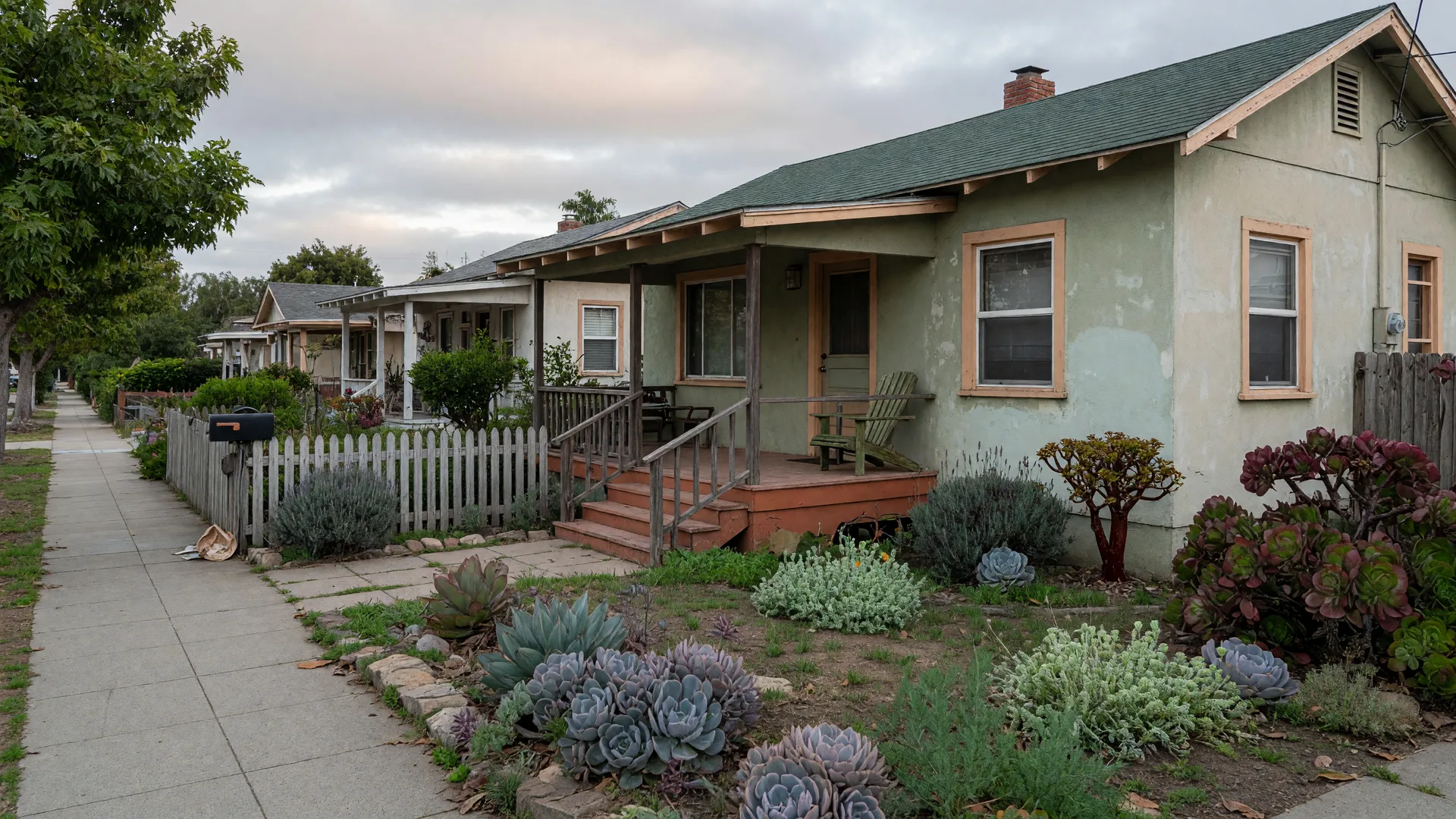
When a homeowner dies without a will and no family member can be found to inherit, the house does not simply sit empty and unresolved. California law has a specific answer: the estate goes through probate, an administrator searches for heirs, and if none are found, the property escheats, or passes, to the State of California. Understanding the order of inheritance and what happens to the home can help distant relatives, neighbors, and friends who may have a claim act in time.
How California Decides Who Inherits Without a Will
When there is no will, California's intestate succession rules determine who inherits. Under Probate Code Sections 6401 and 6402, the order of inheritance is defined: a surviving spouse or registered domestic partner comes first, then the deceased person's children and their descendants, then parents, then siblings and their children, and then grandparents, aunts, uncles, and cousins. The estate passes to the closest living relatives in that order before anyone further out is considered.
If no qualifying relative exists at any level of that order, the estate has no taker. Under Probate Code Section 6404, the property then escheats to the State of California, and the escheat rules in Probate Code Sections 6800 through 6806 describe how that happens.
What "Escheat" Means for the House
Escheat is the legal term for property passing to the state when there is no one else to receive it. In practice, the estate still goes through probate first. A court appoints an administrator, the administrator searches for heirs, and if none are found, the real estate is typically sold during the administration. The proceeds are then held through the State Controller's unclaimed property program, where a later-discovered heir can file a claim.
What Happens During the Administration
The administrator's job is to gather the estate's assets, pay its debts, and distribute what remains to the people entitled to it. When no heirs can be located, the search itself is part of the process: notices are published, family records are reviewed, and the court is asked to approve a distribution to the state only after a genuine effort to find takers. A house in this situation is handled like any other estate asset, which means it must be maintained, insured, and dealt with while the administration is open.
The Mortgage Does Not Disappear
A mortgage on the home stays with the property during the administration, just as it does in any other estate. If no one makes the payments, the loan can move into default and the estate can face a foreclosure even while the court process is underway. The administrator is responsible for keeping the obligations current when the estate has funds, and the loan is paid off from the sale proceeds at the close of escrow. A house that is heading toward escheat can still become a distressed property if the mortgage is ignored.
Why Acting Early Matters
An empty house is a house under stress. Deferred maintenance grows, insurance can lapse, property taxes and mortgage payments accumulate, and the property can lose value while the estate is open. The earlier the administrator takes control, the more options remain: keeping the property in good condition, selling it on an orderly timeline, and resolving the mortgage before a default narrows the choices. This is true whether the estate has heirs or is heading toward the state.
If You Believe You May Be an Heir
Anyone who believes they may be entitled to a share of the estate should act rather than wait. Document the family relationship with birth, marriage, and death records, and contact the administrator or the court handling the estate. If the property has already escheated and the proceeds are held by the State Controller, a claim can still be filed through the unclaimed property program. The rules reward a documented claim made in time.
"A house with no heirs is not a house with no obligations. The mortgage, the taxes, and the maintenance continue, and someone with the right authority needs to attend to them while the estate is resolved."
Doug Ranger, CDPE
Who Can Help an Administrator
A probate attorney can guide the heir search, the court filings, and the escheat process. A real estate professional who understands probate and distressed properties can help the administrator maintain, prepare, and sell the home on a timeline that protects its value. Both are worth engaging early, before the property's condition or the mortgage creates a larger problem.
The situation of a homeowner who dies with no heirs is uncommon, but it follows the same principles as every other estate: the property must be protected, the obligations must be met, and the process must move forward with the court's oversight. Knowing the rules in advance is the surest way to protect whatever value the home holds.

Doug Ranger
Broker/Owner, Ranger Realty. Licensed since 1997. Certified Distressed Property Expert (CDPE).
Questions About an Estate Home?
Doug helps administrators, executors, and trustees protect and sell estate homes throughout Southern California, including properties in unusual situations.