How to Read the Foreclosure Notices: Notice of Default and Notice of Trustee's Sale
By Doug Ranger, Broker/Owner, Ranger Realty, CDPE
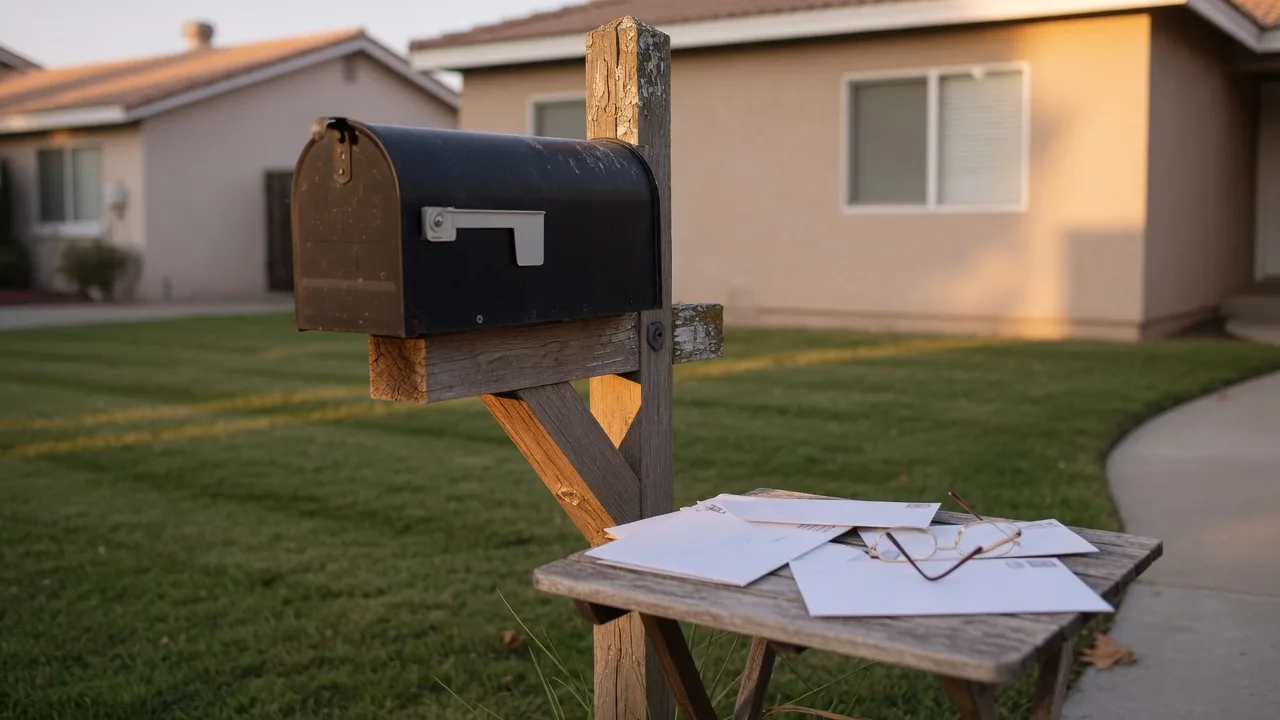
California's nonjudicial foreclosure moves in a sequence of recorded documents, and the two most important are the Notice of Default and the Notice of Trustee's Sale. When a homeowner passes away with a mortgage and the payments stop, these are the documents a family is most likely to see in the mail. Knowing what each notice means, and what to do when one arrives, can keep more options open.
The Sequence Is Set by California Law
Most California home loans are secured by a deed of trust, and a foreclosure in this state is handled outside of court. The trustee follows a schedule set by state law, not by the lender's preference. That schedule gives a family a known window of time to act, and understanding the two key documents is how you use it.
The Notice of Default: The Public Starting Line
The Notice of Default is the first public document in the foreclosure. It is recorded with the county after the loan has been in default, typically once the payments are roughly three to four months past due. Under California's Homeowner Bill of Rights, the servicer is also required to have attempted to reach the borrower before recording it.
Once the Notice of Default is recorded, the borrower has a reinstatement period, generally about 90 days, during which the account can often be brought current and the foreclosure stopped. For an estate, this is a crucial window. If the right person steps forward and the payments are made current, the matter may be resolved before a sale is ever scheduled.
The Notice of Trustee's Sale: The Countdown to Auction
The Notice of Trustee's Sale is the document that sets a date for the property to be auctioned to the highest bidder. By law, the sale cannot be scheduled until at least three months have passed since the Notice of Default was recorded, and the actual sale date can be no earlier than three months and twenty days after the Notice of Default. The trustee must also mail and post the sale notice at least twenty days before the sale.
When a Notice of Trustee's Sale arrives, the timeline is real, but it is not the end of the road. A loan modification, an assumption, a short sale, or an orderly sale of the home can still be pursued, but the margin for arranging them is narrower. This is the point where acting on a specific plan matters most.
What Each Notice Means for an Estate
When a homeowner passes away and no one makes the payments, the loan moves through the same sequence whether the home is held in a living trust or titled in the owner's name alone. A Notice of Default can be recorded against a trust-owned property just as it can against one outside a trust. The difference is who is able to respond: a successor trustee for a trust-owned home, or a court-appointed executor or administrator for a probate asset.
Because the person with authority changes with the title, the first step is always to confirm who holds it. That person can then contact the servicer, identify the estate, and request loss mitigation before the sale date.
What to Do the Day a Notice Arrives
If you receive a foreclosure notice for a loved one's home, do not set it aside. Read the date, note the loan number and the recorded document, and contact the mortgage servicer to confirm the account's status. Have the death certificate and proof of authority ready. Then get the two numbers that shape the path forward: the amount owed on the loan and the current value of the home.
Comparing those two numbers, with the help of someone who handles distressed and probate property, tells you which options are realistically available. That comparison is honest, practical, and far more useful than guessing.
"A notice in the mail is information, not a verdict. It tells you where the process stands, and it tells you how much time you have to make a thoughtful decision."
Doug Ranger, CDPE
Facing a foreclosure notice for a family home is one of the harder moments in an already difficult season. You do not have to interpret it alone, and you do not have to wait for the sale date to understand your options.

Doug Ranger
Broker/Owner, Ranger Realty. Licensed since 1997. Certified Distressed Property Expert (CDPE).
Not Sure What a Notice Means for Your Family?
Doug offers a free, no-obligation consultation to help executors, trustees, and heirs understand their options and protect the home.