Inherited a House in Southern California? What to Do in the First 30 Days
By Doug Ranger, Broker/Owner, Ranger Realty
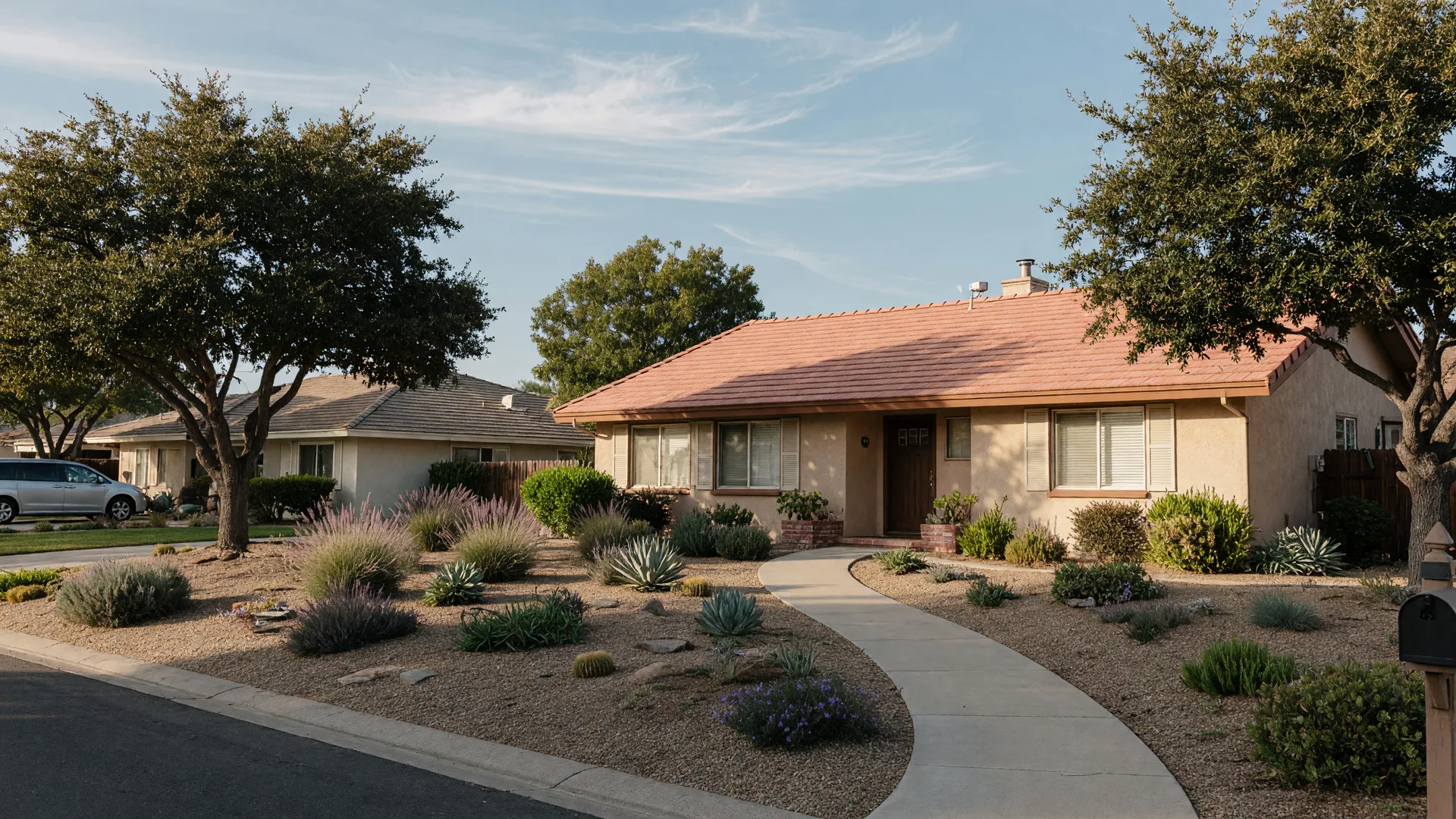
When you inherit a house, the first month sets the tone for everything that follows. You may be grieving, living far away, or simply unsure what you are allowed to do. That is understandable. The good news is that you do not need to make every decision in the first 30 days. You need a calm, orderly start: protect the property, keep the important obligations current, understand who has authority, and gather the information that will let you decide well.
This guide walks through the practical steps heirs in Southern California can take in the first month after inheriting a home. It is educational, not legal advice. Every estate is different, so use this as a framework and confirm the details with a probate attorney and a real estate professional who works with inherited property.
1. Secure the Property
An empty house needs attention quickly. Start by visiting the property or asking someone you trust to check on it. Walk the exterior and interior, and look for anything that could become a problem: unlocked doors and windows, broken locks, water leaks, or signs of pests. If the house will sit vacant, consider changing the locks or rekeying, and make sure all windows and garage doors close securely.
Keep the utilities running if you can. A house with power and water is far easier to maintain, inspect, and show later. Have the mail forwarded or collected so bills and important notices do not pile up, and ask a neighbor to keep an eye on the property if you live out of the area. If the home is in a community with HOA rules, check whether the association has requirements for vacant properties, landscaping, or security.
2. Notify the Lender if There Is a Mortgage
If the house has a mortgage, the loan does not disappear when the owner passes away. The lender needs to know who is handling the estate, and the mortgage payments generally need to continue while the estate is being settled. Under federal rules, heirs and fiduciaries are often recognized as successors in interest, which means the lender should work with them directly rather than treating the account as abandoned.
Call the mortgage servicer early, identify yourself, and explain that the homeowner has passed away. Ask what documents they need, how to keep payments current, and what options exist if the estate cannot cover the payments. The federal Garn-St. Germain Act generally protects heirs who inherit a home from a relative from having the loan called due, but the protections have conditions, so it is worth confirming the details with your attorney.
3. Check the Insurance
Homeowners insurance protects the house while you decide what to do with it. Contact the insurance company to let them know about the death and find out whether the policy remains in force. Keep the premium paid. A lapse in coverage can leave the estate exposed if a fire, storm, or liability event occurs while the property sits vacant.
Ask the insurer about vacancy rules. Many policies limit or change coverage when a home is unoccupied for a set period, often 30 to 60 days. If the house will be empty, you may need a vacancy endorsement or a separate vacant-home policy. Also ask whether the personal property inside is covered, since the contents of the home are often part of the estate too.
4. Understand Who Has Authority
Before anyone lists the house, spends estate money, or makes major decisions, it helps to know who is legally authorized to act. The answer depends on how the property was titled:
An executor named in a will gains authority after the will is filed with the court and letters are issued. An administrator is appointed by the court when there is no will or no named executor. A successor trustee holds authority over property that was placed in a living trust, usually without court involvement.
If you are not sure which role applies, that is a normal place to start. The title documents, the will, and the trust agreement will point you in the right direction, and a probate attorney can confirm who has the power to act and when.
5. Gather the Key Documents
Most of the work in the first month is information gathering. Create a folder, physical or digital, and collect:
- Certified copies of the death certificate, usually at least ten
- The will and any codicils, or the trust agreement and amendments
- The deed or title report for the property
- Recent mortgage statements and the loan documents
- The homeowners insurance policy
- Property tax bills and any notices from the county assessor
- Utility bills and service account numbers
- Any estate planning documents, such as a power of attorney or beneficiary designations
These documents answer most of the questions that come up in the first month: who owns the property, what it owes, what it is insured for, and who is authorized to act. Having them organized also makes every later conversation with the lender, the attorney, and the real estate professional faster and clearer.
6. Weigh Keep, Rent, or Sell
You do not have to decide in the first 30 days, but you can start thinking about it. The three paths are keep, rent, or sell, and each has real consequences for taxes, cash flow, and family relationships.
Keeping the home means managing the mortgage, insurance, property taxes, and maintenance, and it may mean dealing with property tax reassessment under Proposition 19. Renting can produce income, but it adds landlord duties and its own tax treatment. Selling converts the asset into cash that can be divided among heirs and ends the ongoing costs of ownership.
One of the most valuable things to learn early is the property's likely market value and the stepped-up cost basis, which generally resets the tax basis to the value on the date of death. That number shapes the tax picture for any future sale, so it is worth getting a professional opinion of value from someone who understands inherited and estate properties.
7. Know When to Bring in Professionals
Two professionals matter most in the first month: a probate attorney and a real estate professional who specializes in probate, trust, and inherited property.
A probate attorney confirms who has authority, explains what the court requires, and handles the legal steps for the estate. You want this guidance early, before money is spent or documents are signed, because a small mistake at the start can cost time later.
A probate-savvy real estate professional helps you understand the property's value, what condition it is in, what a sale would involve, and what the local market looks like. In Southern California, the process for selling an estate home differs depending on whether the property is in probate, in a trust, or transferring directly to heirs, so experience with those specific situations matters.
A Calm Start Leads to Better Decisions
The first 30 days after inheriting a house are about protecting the property, keeping obligations current, and learning what you are working with. You do not need to rush a sale or force a decision. You need a foundation: a secure home, a notified lender, active insurance, clear authority, organized documents, and trusted professionals on your side.
If you have inherited a house in Southern California and would like to talk through your situation, Doug Ranger offers a free consultation. He has helped families throughout Ventura County, the San Fernando Valley, and western Los Angeles County, including Santa Monica and Malibu, understand their options for inherited property without pressure.

Doug Ranger
Broker/Owner, Ranger Realty. Licensed since 1997. Certified Distressed Property Expert (CDPE) and Certified Probate & Trust Specialist (C.A.R.).
Inherited a House in Southern California?
Doug helps heirs understand their options and make confident decisions about inherited property, without pressure.