What Happens to the Contents of a Home in California Probate
By Doug Ranger, Broker/Owner, Ranger Realty, CDPE
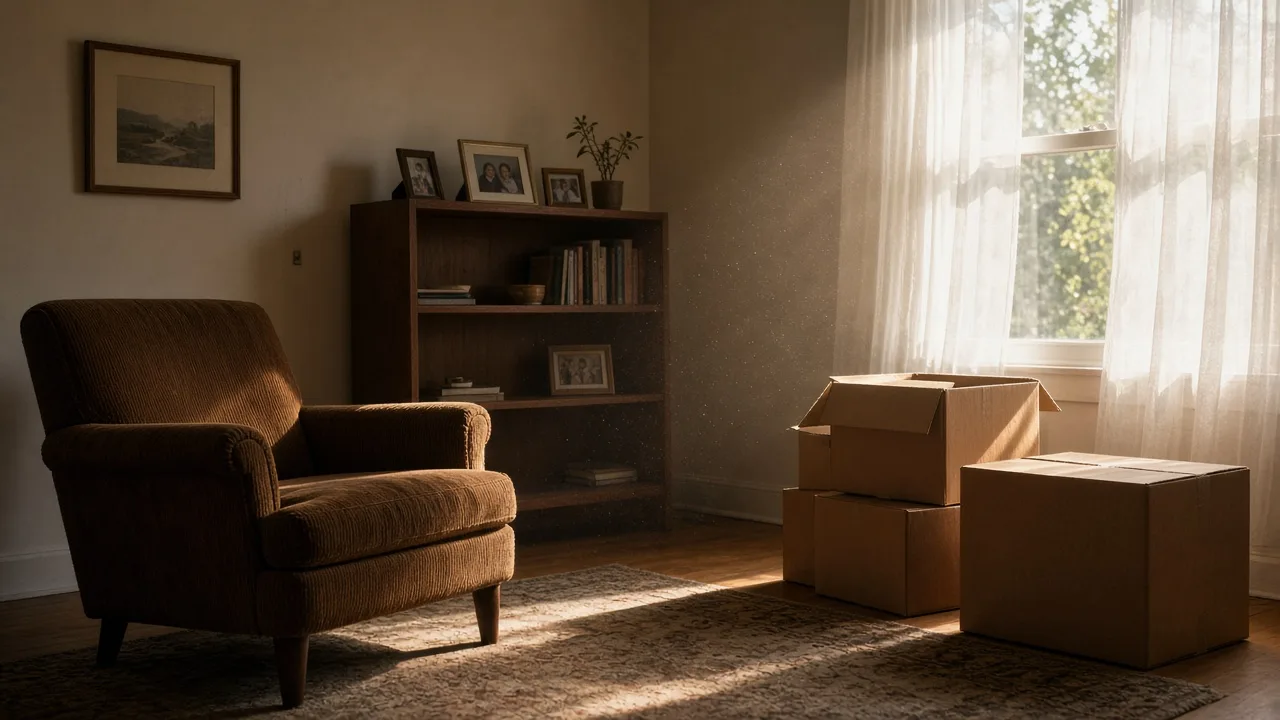
When a homeowner dies, the house is only part of the estate. The furniture, appliances, vehicles, art, jewelry, and personal belongings inside the home also become assets of the probate estate, and they are handled separately from the real property. Executors and trustees need to know how the contents are inventoried, which items may be set aside for a surviving spouse or minor children, and how to sell or distribute what remains.
The Contents Become Part of the Estate
Everything inside the home that belonged to the deceased person becomes part of the probate estate unless the will, a trust, or a specific transfer document provides otherwise. That includes household furniture, appliances, clothing, collections, firearms, and vehicles, as well as financial personal property such as bank accounts and securities held in the deceased person's name alone.
One of the first rules of California probate is that personal property should not be removed before the personal representative is appointed and the court issues Letters. Until then, no one has the legal authority to distribute or sell the contents. The executor's early duties are to secure the home, keep it insured, and preserve the belongings so their value is protected for the estate and its beneficiaries.
Inventory and Appraisement
The personal representative must file an Inventory and Appraisal with the court within four months of receiving Letters, using Form DE-160, under Probate Code Section 8800(b). The inventory lists every estate asset, including the real property, bank accounts, securities, vehicles, and tangible personal property, at its fair market value as of the date of death.
Household furniture and furnishings may be listed collectively rather than item by item. A court-appointed probate referee appraises the non-cash assets, including vehicles, household contents, and other tangible personal property, at a statutory fee. The inventory gives the court, the beneficiaries, and the creditors a clear picture of what the estate holds, and it is the foundation for every later distribution or sale.
Property That Can Be Set Aside for a Surviving Spouse or Minor Children
California law allows the court to set apart certain exempt personal property for a surviving spouse or for the deceased person's minor children. Under Probate Code Section 6510, the court may set aside all or part of the property that is exempt from enforcement of a money judgment, such as a reasonable amount of household furniture and furnishings, one motor vehicle, and limited jewelry and personal effects. The dollar amounts are adjusted periodically and should be verified against the current tables in the Code of Civil Procedure.
Exempt does not mean excluded. The property is still inventoried as part of the estate, and the family must claim it through a court petition. When the court grants the petition, the set-aside takes priority over creditors and other beneficiaries, and it should be addressed before the contents are sold.
Selling or Distributing the Contents
Personal property does not automatically pass with the sale of the real property. A probate sale transfers the house; the contents are dealt with separately. Under the Independent Administration of Estates Act, the executor may sell estate personal property, and under Probate Code Section 10520(b), the sale of household furniture and furnishings, motor vehicles, clothing, jewelry, and other tangible articles requires a 15-day Notice of Proposed Action unless the court has authorized the sale in advance.
In practice, the executor's options are to distribute the contents to the beneficiaries if the will or the agreement of the heirs permits it, sell them at a private sale or estate auction, or dispose of items with no value. The executor cannot abandon valuable property, buy it personally without proper disclosure and court approval, or give it away in a way that harms the beneficiaries. An estate sale company familiar with probate can handle pricing, sale, and removal, and the proceeds become part of the estate.
What Goes With the House and What Does Not
Real property fixtures are different from personal property. A fixture, such as built-in shelving, a permanently installed appliance, or window coverings that were attached to the home, generally stays with the house and transfers with the sale. Free-standing items and personal effects do not. When escrow and the sale agreement are reviewed, the distinction usually comes down to whether the item was physically attached and how it was described in the contract.
For executors moving toward a sale, the practical sequence is to confirm authority, complete the inventory, address any exempt-property petition for the spouse or minor children, and then handle the contents, whether by distribution, estate sale, or auction. Getting an Inherited Home Ready to Sell in Southern California walks through the preparation steps alongside the contents question.
Common Questions About the Contents
Who decides what happens to the belongings?
The executor or administrator, with the court's oversight and the beneficiaries' interests in mind. The will may identify specific gifts of personal property, and those gifts come first. If the estate has no will, the administrator follows the intestate succession rules and the directions of the court.
Can family members take items before probate is complete?
Not without authority. Removing belongings before Letters are issued is premature, and it can create disputes between beneficiaries and problems with the inventory. The safer path is to let the executor document what is in the home before anything is distributed.
What if the home is in a trust instead of probate?
With a trust-owned home, the successor trustee administers the trust under its terms, and the trust document usually tells the trustee how to handle personal property. The trustee still owes fiduciary duties to the beneficiaries, and the same care around inventory, distribution, and sale applies. The court process is lighter than probate, but the responsibility is the same.
"The contents of a family home are loaded with memories, and the law treats them as assets of the estate. Handling them carefully, with the right process, protects both the family's feelings and the estate's value."
Doug Ranger, CDPE
The personal property inside an inherited home deserves the same care as the house itself. Executors and trustees who inventory early, protect what is exempt, and deal with the contents through proper channels keep the estate moving and the family at peace. If you are managing a California estate, the earlier you map the process with a probate attorney and a probate-savvy real estate professional, the smoother the road ahead.
Doug Ranger
Broker/Owner, Ranger Realty. Licensed since 1997. Certified Distressed Property Expert (CDPE).
Talk Through Your Situation
Doug offers a free, no-obligation consultation for families, executors, and trustees protecting or selling an inherited home.