Probate in Southern California: A Guide for Families and Executors
By Doug Ranger, Broker/Owner, Ranger Realty
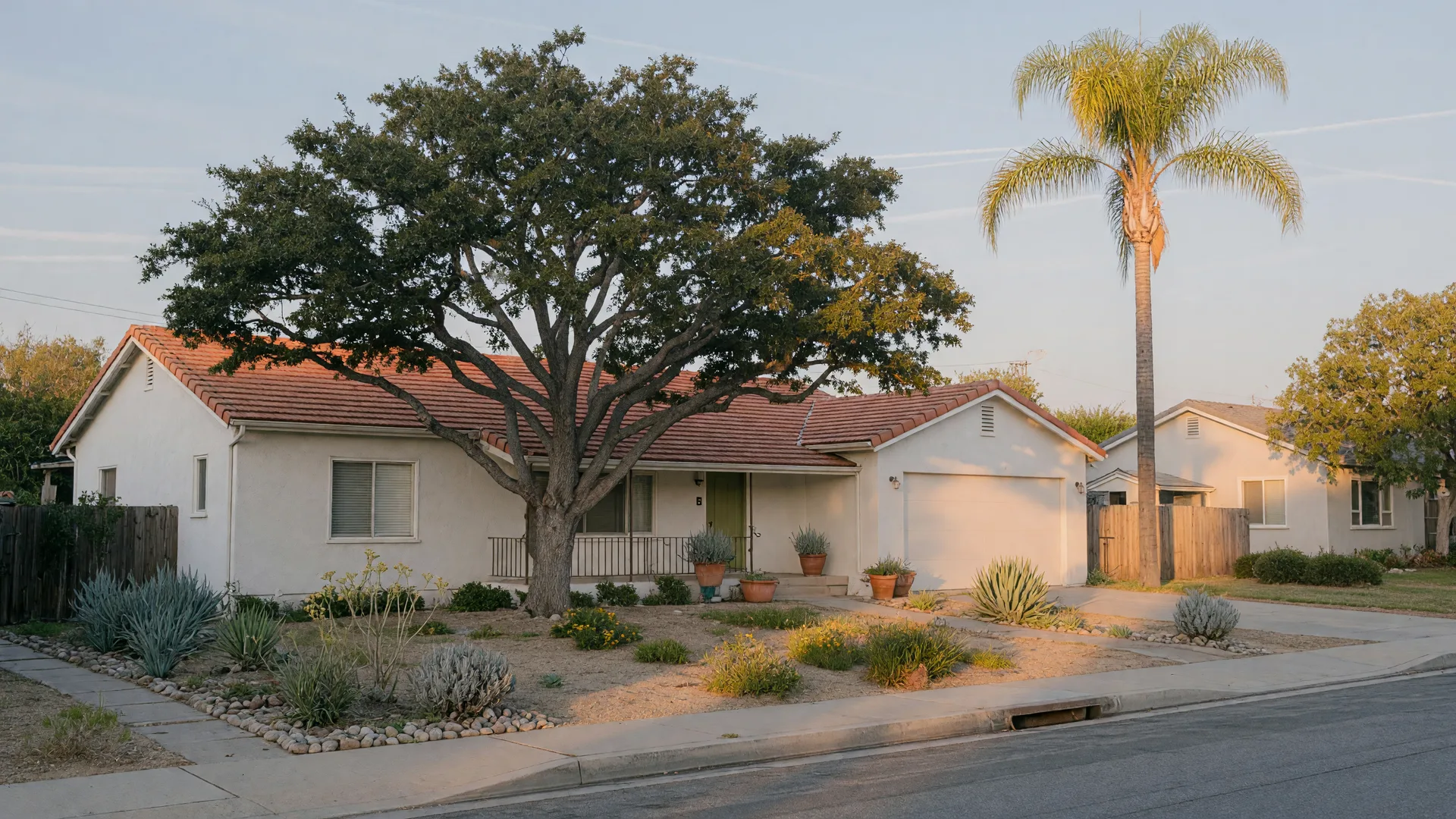
Probate is a process many Southern California families face after losing a loved one, and it raises questions at a time when families are already carrying a great deal. The probate rules are the same throughout California, but Southern California brings its own considerations: county court calendars, higher property values, and the practical realities of selling a family home in communities like Thousand Oaks, Ventura, Simi Valley, the San Fernando Valley, and Orange County.
This guide walks through what probate is, when it is required in California, how the process works in our local courts, and what you can expect when real estate is part of the estate. It is written to help you understand the road ahead, not to rush you down it.
What Is Probate, and When Is It Required in California?
Probate is the court-supervised process of identifying a deceased person's property, paying their outstanding debts, and distributing what remains to heirs and beneficiaries. In California, probate is handled by the Superior Court in the county where the deceased person lived. For families here, that typically means the Ventura County Superior Court, the Los Angeles County Superior Court, or the Orange County Superior Court, depending on where the person made their home.
Probate is generally required when the gross value of the estate exceeds the simplified probate threshold and the assets are held in the deceased person's name alone. On April 1, 2025, California changed the probate threshold for primary residences to $750,000, and these estates can use the Simplified Probate Process. Most homes in Southern California will exceed the $750,000 cap, so full probate is typically required for the family home. Real property counts toward that value, and in most of Southern California a home alone is worth well over the threshold, so an estate that includes a house or condominium usually needs to go through probate before the property can be sold or transferred.
Not every estate requires full probate. Property held in a living trust, joint tenancy, or with a transfer-on-death deed can often pass outside of the probate estate entirely. Smaller estates may qualify for streamlined small estate procedures under the California Probate Code. An attorney familiar with probate can tell you which path your family's situation takes.
The California Probate Process and Timeline
The process begins when someone petitions the Superior Court to open probate, usually within the first month or two after the death. If there is a valid will, the person named as executor files the paperwork. If there is no will, a family member or other interested party asks the court to appoint an administrator.
Once the court appoints the personal representative and issues the Letters Testamentary (with a will) or Letters of Administration (without a will), the estate can begin acting on its own behalf. The representative then notifies heirs and creditors, an official notice runs in a local newspaper, and creditors have a four-month window to file claims against the estate. The court also requires a full inventory and, in many cases, an appraisal of the estate's assets, which is where real estate values are established.
From start to finish, most California probate cases take from six months to more than a year. In larger counties where court calendars are fuller, hearings may be scheduled further out, and complex estates, disputes among beneficiaries, or tax issues can add time. The home itself is often sold or transferred before the estate is formally closed, so the full probate timeline and the timeline for selling property are not always the same thing.
The Role of the Executor or Administrator
The executor (when there is a will) or administrator (when there is not) carries the legal authority of the estate, and the role comes with real responsibilities. As the personal representative, they hold a fiduciary duty to act in the best interest of the estate and its beneficiaries, not in their own interest.
Day to day, that work includes:
- Taking control of and protecting estate assets, including keeping a house insured, occupied, secure, and free of deferred problems
- Paying debts, mortgages, property taxes, insurance, and other obligations from estate funds
- Filing any required tax returns for the estate
- Notifying heirs and creditors and responding to creditor claims within the legal window
- Hiring and working with professionals, including a probate attorney, an appraiser, and a real estate agent who understands estate sales
- Keeping clear, complete records of every decision, since the court reviews the final accounting
It is a demanding role to take on next to grief and the rest of life, and executors are not expected to know every rule themselves. Their job is to assemble the right team and make careful, informed, and documented decisions.
When Real Estate Is Part of the Estate: How a Probate Sale Works
If the deceased person owned the home in their name alone, that house is probate property, and it can only be sold with court authority. The executor first files a petition asking the court for permission to sell, and once that authority is granted, the property is listed with a real estate agent.
Here is the key difference from a regular home sale: in California, most probate real estate sales must be confirmed by a judge before they are final. The chosen offer goes to a court confirmation hearing, where the judge considers whether the price is fair for the estate. Other interested buyers may appear at the hearing to raise the offer, which is known as overbidding. The original buyer is typically given the chance to match the highest bid, and when the court confirms the sale, closing proceeds like a standard residential transaction.
The confirmation hearing can work in the estate's favor by driving a fair market outcome, but it also means the sale takes time and timing expectations should leave room for the court's schedule. A real estate agent who handles probate sales regularly can manage these timelines and explain what happens at each step as it actually arrives.
Common Questions Families Ask
Do all heirs have to agree on the sale?
Not necessarily. The executor or administrator has the authority to seek court permission to sell, and the probate court makes the final decision, in the interest of the estate and everyone who benefits from it. Heirs may also petition the court to order a sale if they believe a holdout or a delay is not in the estate's best interest. When family members disagree, communication with the executor and an experienced probate attorney becomes especially important, and the court exists to resolve those conflicts fairly.
What are the tax considerations of inheriting a house in California?
The most valuable rule for heirs is the stepped-up basis. When you inherit a home, its cost basis is adjusted to the appraised value as of the date of death, not the original purchase price the owner paid decades ago. Homeowners in Southern California often paid a fraction of what their home is worth today, so selling at or near the date-of-death value can result in little or no capital gain tax for the estate or the heirs.
There are other considerations as well: under California's Proposition 19, inherited property may be reassessed for property tax purposes unless certain conditions are met, larger estates may face federal estate tax questions, and separate rules apply if the home was rented or a loss is claimed. Tax situations vary with each family, which is why heirs should confirm the details with a qualified tax professional early in the process, before any decisions about selling are set in motion.
Can the house be sold before probate closes?
Yes. The executor can petition the court early for permission to sell the property, and the sale can close while the estate continues through its remaining steps, including paying creditors and distributing the remaining assets. The sale usually still needs court confirmation first, but the house does not have to wait for the entire estate to be finished. For families who want to move forward, this ordering of the steps is one of the most valuable pieces of the process to plan around.
Choosing a Real Estate Professional Who Understands Probate in Southern California
Not every agent has handled estate sales, and probate properties behave differently from standard listings. When you choose a professional to represent the estate, look for someone who:
- Conducted probate and trust sales and works comfortably with executors, attorneys, and Trustees
- Knows the California Probate Code and the court confirmation process, including overbid hearings
- Understands the courts in your county, whether that is Ventura, Los Angeles, or Orange
- Can price the home well against everything local without over-promising outcomes
- Coordinates with the probate attorney and the court calendar and to keep timelines realistic
- Educates first and explains each step without jargon or pushing you into decisions before you are ready
Doug Ranger, Broker/Owner of Ranger Realty, has guided probate and trust sales throughout Southern California since 1997. He is a Certified Distressed Property Expert (CDPE) and has built his practice around the belief that education comes first. "I educate first, provide options second, and help clients make confident decisions without pressure."
You Are Not Alone in This Process
Administering an estate is one of the more demanding things a family can do, and you do not have to figure it out alone. Doug offers a free, no-obligation consultation to families and executors throughout Southern California. He will listen to your situation, help you understand the steps ahead, and connect you with the other professionals you should have on your team.

Doug Ranger
Broker/Owner, Ranger Realty. Licensed since 1997. Certified Distressed Property Expert (CDPE) specializing in probate, trust, and inherited property sales throughout Southern California.
Questions About an Estate You Are Helping With?
Doug offers a free, no-obligation consultation for families, executors, and trustees navigating probate in Southern California.