Probate Sale vs. Short Sale for an Estate With Mortgage Debt
By Doug Ranger, Broker/Owner, Ranger Realty, CDPE
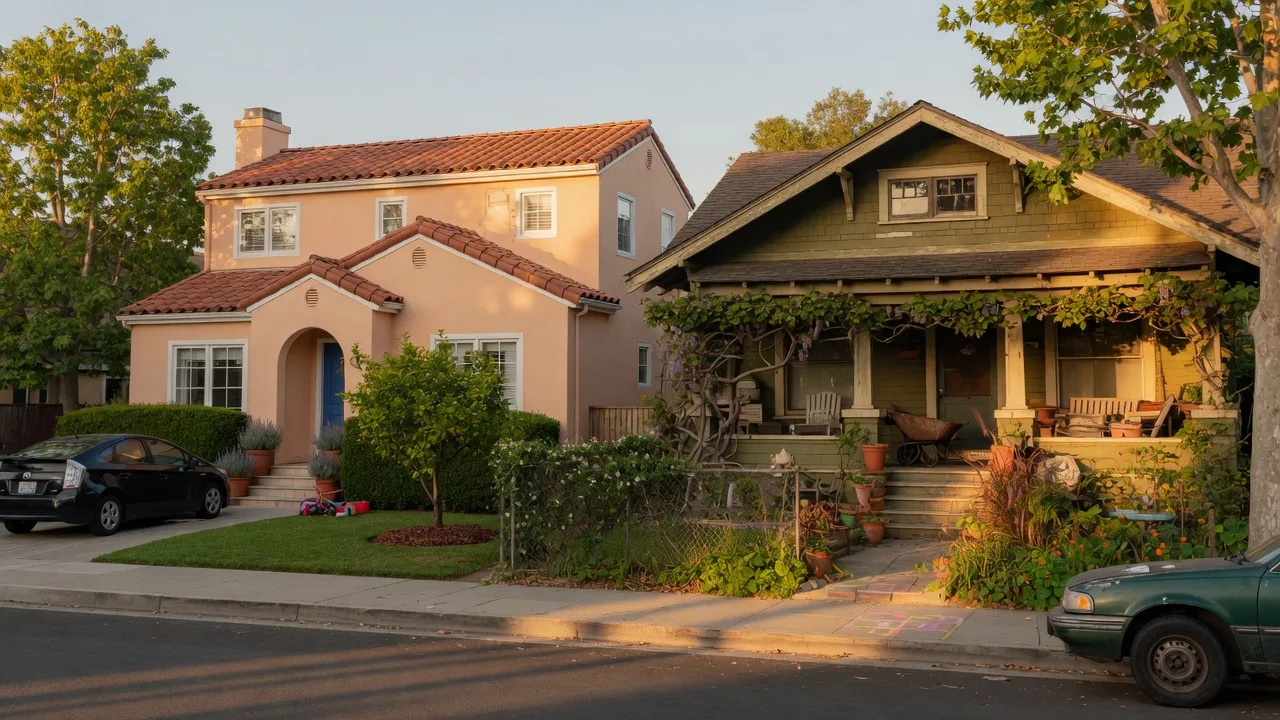
When an estate's home is worth less than the balance of its mortgage, the probate sale and the short sale are not competing choices so much as two descriptions of the same kind of situation. A probate sale is defined by who sells the property and the court process around it; a short sale is defined by the price being below the loan balance and needing lender approval. When both are true, the estate completes a probate sale that is also a short sale, and understanding how the two rules work together is what protects the family and the executor.
What Each Term Actually Means
A probate sale is the sale of real property that belongs to the estate of someone who has died, managed by the court-appointed personal representative under the supervision of the California Probate Code. It exists because the deceased person can no longer sign, and the law must decide who can act in their place.
A short sale is any sale in which the lender agrees to accept less than the full amount owed on the mortgage and releases its lien, so the home can transfer to a new owner without the seller making up the difference. The lender's written approval is the defining feature, not the type of seller.
When the estate home is worth less than the loan, the estate faces both definitions at once. The executor or administrator still sells under the probate rules, and because the payoff falls short of the mortgage balance, the lender must consent to the short payoff before the sale can close.
Who Is Authorized to Act
In a probate estate, only the appointed personal representative, the executor if there is a will, or the administrator if there is not, can sign the listing agreement and the purchase contract. No family member, heir, or adviser can substitute for that signature. The representative should be prepared to show the court appointment, because the title company, the lender, and the buyers will all want to see it.
The same is true on the lender's side of the table. The mortgage servicer will not negotiate a short payoff with someone who cannot establish authority over the estate. The documents that open the probate case, the Letters Testamentary or Letters of Administration, are the same documents that open the short sale conversation.
Court Confirmation, and When It Is Required
Whether a probate sale needs a confirmation hearing depends on the authority the court gave the representative. When the personal representative has been granted full authority under California's Independent Administration of Estates Act, the sale can close without a confirmation hearing, and the heirs or beneficiaries receive a notice period in which they may object to the sale.
When the representative has only limited authority, the sale must be confirmed at a hearing, where other buyers may appear and overbid. Court-confirmed probate sales are generally required to bring at least 90 percent of the appraised value unless the court waives that requirement. A probate attorney can confirm which authority applies to your letters and what the court will require.
Why the Lender's Written Consent Matters so Much
In any short sale, the lender's approval of the short payoff is the hinge of the entire transaction. California law adds a significant protection for the estate: under Civil Code Section 580e, a lender that gives written consent to a short sale must accept the sale proceeds as full satisfaction of the obligation and generally cannot pursue the estate or the heirs afterward for the unpaid balance, a deficiency judgment.
That protection makes a negotiated short sale a far cleaner ending than a foreclosure, which can leave lingering issues and extinguishes the family's equity in a public auction instead. It is one of the strongest reasons an executor with an underwater property should explore a short sale early rather than letting the file drift.
Where the Proceeds Go
The destination of the proceeds is where the two labels really diverge. In an ordinary probate sale with equity, the proceeds pay the expenses and the mortgage, then the balance flows to the estate, its creditors, and finally the beneficiaries. In a short sale, the proceeds fall short of the mortgage, so they go to the lender, and the beneficiaries typically receive nothing from the sale itself.
That is a hard truth for a family to absorb, but it is also the accurate picture. The home is worth less than the debt, so there is no equity to distribute. The value the estate gains from a short sale is freedom from the debt and the deficiency exposure, and a clean closing instead of a foreclosure, not a distribution check.
How the Process Unfolds, Step by Step
If you are the executor or administrator of an estate with an underwater home, these are the steps in the order they generally happen.
1. Get the Numbers Straight
Establish the full mortgage balance, including any missed payments, penalties, and costs the lender will demand, and the likely market value of the home. The gap between those two numbers is what a short sale must bridge.
2. Notify the Lender Early
Contact the mortgage servicer with the death certificate, the proof of appointment, and the request to consider a short payoff. Lenders are far more approachable before a Notice of Default or a sale date has been set, which is one more reason acting early changes the outcome.
3. List and Market the Property
With the probate process underway, the home is listed and marketed like any other property, with the difference that the offer will be subject to lender approval. A broker who handles probate and distressed sales knows how to price and present the home so the lender sees a realistic short payoff.
4. Obtain the Lender's Written Approval
When an offer arrives, the lender reviews the complete short sale package and issues its written approval of the payoff amount. That written consent is the document that secures the Section 580e protection for the estate.
5. Complete the Probate Requirements
Depending on the representative's authority, the sale closes directly or is confirmed by the court. The probate attorney manages the filing, notice, and hearing requirements in parallel with the lender's timeline.
"An estate that owes more than a home is worth still has good options. A negotiated short sale can end the debt cleanly, and the family can close this chapter with their heads held high."
Doug Ranger, CDPE
An underwater estate home is a difficult position, but it is not a hopeless one. With the executor's authority, the lender's written consent, and a team that understands both the probate code and the short sale process, the estate can reach a clean resolution without a foreclosure. For families in this position, the conversation is worth having early.

Doug Ranger
Broker/Owner, Ranger Realty. Licensed since 1997. Certified Distressed Property Expert (CDPE).
Talk Through Your Situation
Doug offers a free, no-obligation consultation for families, executors, and trustees protecting or selling an inherited home.