Who Pays Property Taxes on an Inherited Home in California?
By Doug Ranger, Broker/Owner, Ranger Realty, CDPE
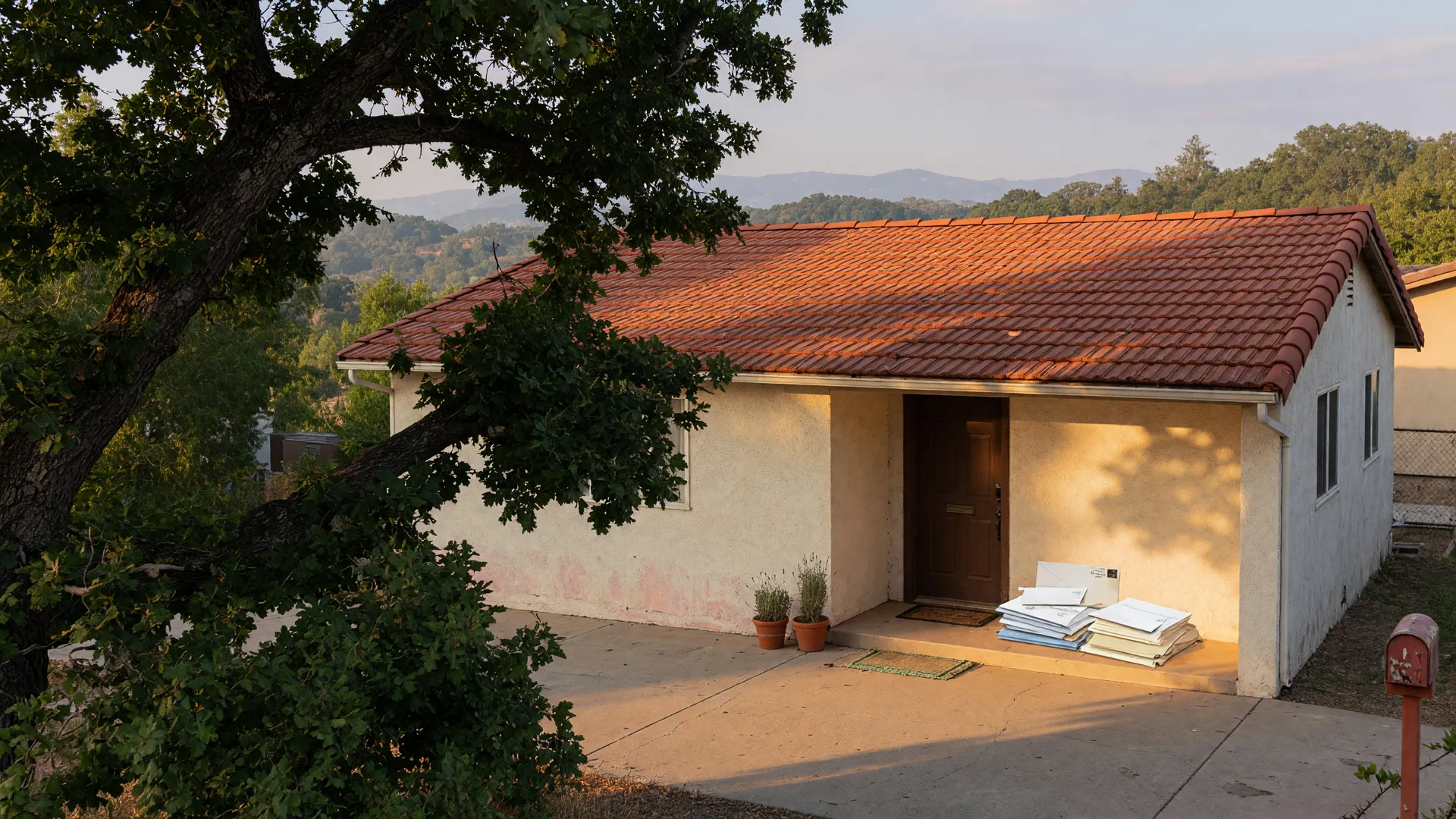
After a homeowner dies, the property tax bill does not stop, and in California the estate itself is responsible for keeping those taxes current while the estate is open. In a trust administration the successor trustee carries the same duty from trust assets, and once the home passes to a beneficiary, the new owner takes on the bills that accrue from that point. Property taxes are one of the recurring costs families can overlook in the weeks after a loss, and an unpaid bill quietly becomes a lien against the home.
The Property Tax Bill Does Not Disappear When the Owner Dies
Every California property carries an annual property tax bill, and the tax obligation is secured by a lien that attaches to the land. Death does not cancel that obligation. It continues against whoever holds title to the home, whether that is the estate, the trust, or the heirs. Because the county treats the date of death as a change in ownership, the bill is not simply carried forward: it is also re-examined, and that is where supplemental assessments come in.
Who Is Responsible During Probate and Trust Administration
In a probate estate, the executor or administrator is responsible for keeping the property taxes current from estate funds. The California Board of Equalization makes the point directly: taxes must be kept current on property the decedent owned, whether the home was held in the decedent's name or in a trust, even before the property has been distributed. Property taxes are a claim against the estate, which means they are paid ahead of distributions to beneficiaries, not after them.
In a trust administration, the successor trustee has the same duty and pays the taxes from trust assets. Holding the home in a trust does not change the obligation; the trust holds title to a home that still carries a tax bill. Once title transfers to a beneficiary, that person becomes responsible for the installments that fall due from that point forward.
The Two Installments and the Cost of Being Late
California property tax bills arrive in two installments. The first is due November 1 and becomes delinquent after December 10; the second is due February 1 and becomes delinquent after April 10. A 10 percent penalty attaches when an installment is late. For an estate holding a home through the fiscal year, putting those two dates on a calendar is a small step that protects the family's equity, because a late bill adds penalties on top of the taxes themselves.
Death Is a Change in Ownership: Supplemental Assessments
When property changes hands, including by death, the county assessor can issue a supplemental assessment that reflects the difference between the home's old assessed value and its value at the date of death. That supplemental bill can arrive months after the estate has begun to settle, and it can cover the period from the date of death to the end of the fiscal year. Executors and trustees are well served to reserve funds for a possible supplemental bill before distributing estate assets, because it is a real and common surprise for families.
Proposition 19 and the Parent-Child Exclusion
For deaths on or after February 16, 2021, Proposition 19 governs when an inherited home avoids reassessment. The parent-child exclusion now applies mainly to the family's principal residence and to family farms. To use it, the child generally must make the home their primary residence within one year of the transfer and file a Claim for Reassessment Exclusion, Form BOE-19-P, with the county assessor, normally within three years of the transfer. There is also a cap on how much of the assessed value can pass along to the child. Homes that do not meet these conditions are reassessed at current market value, which can raise the annual tax bill.
This rule is one of the reasons families decide to keep an inherited home at all. Preserving a low property tax base can be a powerful reason to keep a home rather than sell it, and it is why asking about Proposition 19 early, before anyone signs anything, matters.
What Happens if the Taxes Are Not Paid
Unpaid property taxes become a tax lien on the property, and the county can ultimately sell the tax-defaulted property at auction. California's tax-defaulted sale process takes years rather than months, which makes a property tax lien less urgent than a mortgage foreclosure. But the lien must be cleared before clean title can pass to a buyer, so an unpaid bill can delay or complicate an estate sale at the exact moment a family is trying to close.
What Executors, Trustees, and Heirs Should Do
Keep the Tax Calendar
Track the two installment dates and pay each bill from estate or trust funds as it comes due. Keeping the taxes current is part of keeping the home itself safe while the estate is open, alongside the mortgage, the insurance, and the utilities.
Reserve Funds for a Supplemental Bill
Because a supplemental assessment can arrive after the regular bill, do not distribute every dollar to beneficiaries until the tax picture is clear. A modest reserve set aside for the estate protects everyone from a surprise bill later.
Decide the Home's Future With the Tax Picture in Mind
The keep, sell, or rent decision and the property tax rules are connected. If a child plans to make the home their primary residence, the Proposition 19 exclusion may be available. That is one more reason to weigh the decision carefully before listing the property. Our guide to selling, keeping, or renting an inherited home walks through the trade-offs.
Know the Capital Gains Rule Is a Separate One
Property taxes and capital gains taxes are governed by different rules. The step-up in basis, which can reduce capital gains when an inherited home is sold, is separate from the property tax reassessment questions above. Both deserve a conversation with a professional who works with inherited property. Our article on step-up in basis and taxes on inherited property covers the capital gains side.
Property taxes rarely cause a family to lose a home on their own, but when they are combined with a mortgage, insurance, and HOA costs, an inherited home can quietly become a distressed property. The way to prevent that is to treat the taxes as a line item in the estate's budget from the first month. For a full picture of the other costs that keep running, see Protecting the Home While the Estate Is Open.

Doug Ranger
Broker/Owner, Ranger Realty. Licensed since 1997. Certified Distressed Property Expert (CDPE).
Talk Through Your Situation
Doug offers a free, no-obligation consultation for families, executors, and trustees protecting or selling an inherited home.