Who Is Responsible for the Mortgage After a Homeowner Dies?
By Doug Ranger, Broker/Owner, Ranger Realty, CDPE

One of the most common questions families ask after a homeowner passes away is whether they are now personally responsible for the mortgage. In California, the answer is usually no: heirs who inherit a home generally do not become personally liable for the loan merely because they are related to the borrower. The debt belongs to the estate, and the unpaid balance is secured by the home itself. Understanding the difference between the debt and the lien is the foundation for every decision that follows.
The Debt and the Lien Are Not the Same Thing
When a home is bought with a loan, the buyer signs a promissory note, which is a personal promise to repay the money. The deed of trust is a separate document that records the home as security for that promise. After the owner dies, neither one disappears. The debt becomes an obligation of the estate, and the home remains the collateral the lender can look to. That is why the house itself, rather than the family's savings, is usually the center of the conversation.
Who the Lender Can Generally Collect From
The lender's first recourse is the property. An heir who inherits a home without signing the note, cosigning the loan, or otherwise agreeing to personal liability is generally not subject to a personal lawsuit for the debt. The estate's assets are responsible for the balance, and in California debts are paid from the estate before assets are distributed to beneficiaries.
The exceptions are worth naming plainly. A person who cosigned or co-borrowed on the loan remains on the note. A surviving spouse may face community property considerations that differ from other heirs. And anyone who signs a new document containing personal liability, whether during an assumption, a modification, or a forbearance agreement, can create responsibility that did not exist before. Before signing anything that includes personal liability language, it is wise to have a probate attorney review it.
A Trust and a Non-Trust Property Follow the Same Rule
Trust ownership does not change the debt. A living trust transfers title to the home, but it does not transfer the promissory note. The successor trustee becomes responsible for managing the property and keeping its obligations current from trust assets, just as an executor or administrator manages a probate property. In both situations the home remains the lender's security, and in both situations a beneficiary who never signed the note is generally not personally liable for the balance. The mortgage follows the property, not the family.
California's Anti-Deficiency Rules Add Another Layer of Protection
When a California home loan is a purchase-money loan, the type used to buy a residence of up to four units, state law generally prohibits the lender from obtaining a personal judgment for the difference between the loan balance and what a foreclosure sale brings. In 2016 the California Supreme Court ruled in Coker v. JP Morgan Chase Bank that this protection also applies to lender-approved short sales of the same kind of property, and refinances of a purchase-money loan receive similar protection in most situations. The practical meaning for an estate: when the home is worth less than the loan, the shortfall is not automatically a personal debt of the family. The statute has limits and exceptions, and a probate or real estate attorney is the right person to confirm how the rules apply to a specific loan.
What the Lender Can Actually Do
The lender's remedy runs against the property. If payments stop and the loan enters default, the lender can begin a nonjudicial foreclosure and, eventually, sell the home at a trustee's auction. That is why keeping the property current, or selling it before a sale date is set, matters so much. The federal Garn-St. Germain Act adds an important protection for inheriting families: a lender generally may not call the loan due solely because the home passed to relatives by inheritance, which is what allows a qualifying heir to keep the existing mortgage on its original terms. The lender's power is real, and it is also bounded.
Three Steps to Take When You Are Not Sure
1. Confirm Who Holds Authority
Identify the person who can act: an executor if there is a will, an administrator if there is not, or the successor trustee if the home is in a trust. That person is the one who can speak with the lender and make decisions about the loan.
2. Contact the Servicer Early
Reach out to the mortgage servicer, notify them of the passing, and ask what documents they require. Have the death certificate and the loan number ready. Early contact keeps information flowing and tells you exactly where the account stands.
3. Review Before You Sign
Do not sign an assumption, modification, or forbearance agreement without understanding whether it creates personal liability. A short review with an attorney can prevent a document signed in haste from becoming a personal obligation.
"Most of the fear in these situations comes from not knowing who owes what. When a family understands that the home is the security and the estate is the debtor, the decisions become calmer and the path forward becomes clearer."
Doug Ranger, CDPE
If you are an heir, executor, or trustee wondering where the mortgage fits into your responsibilities, you are not expected to know every rule. A conversation with a probate attorney and a broker experienced in probate and distressed properties can put names and dates to the steps, and the earlier that conversation happens, the more options remain on the table.
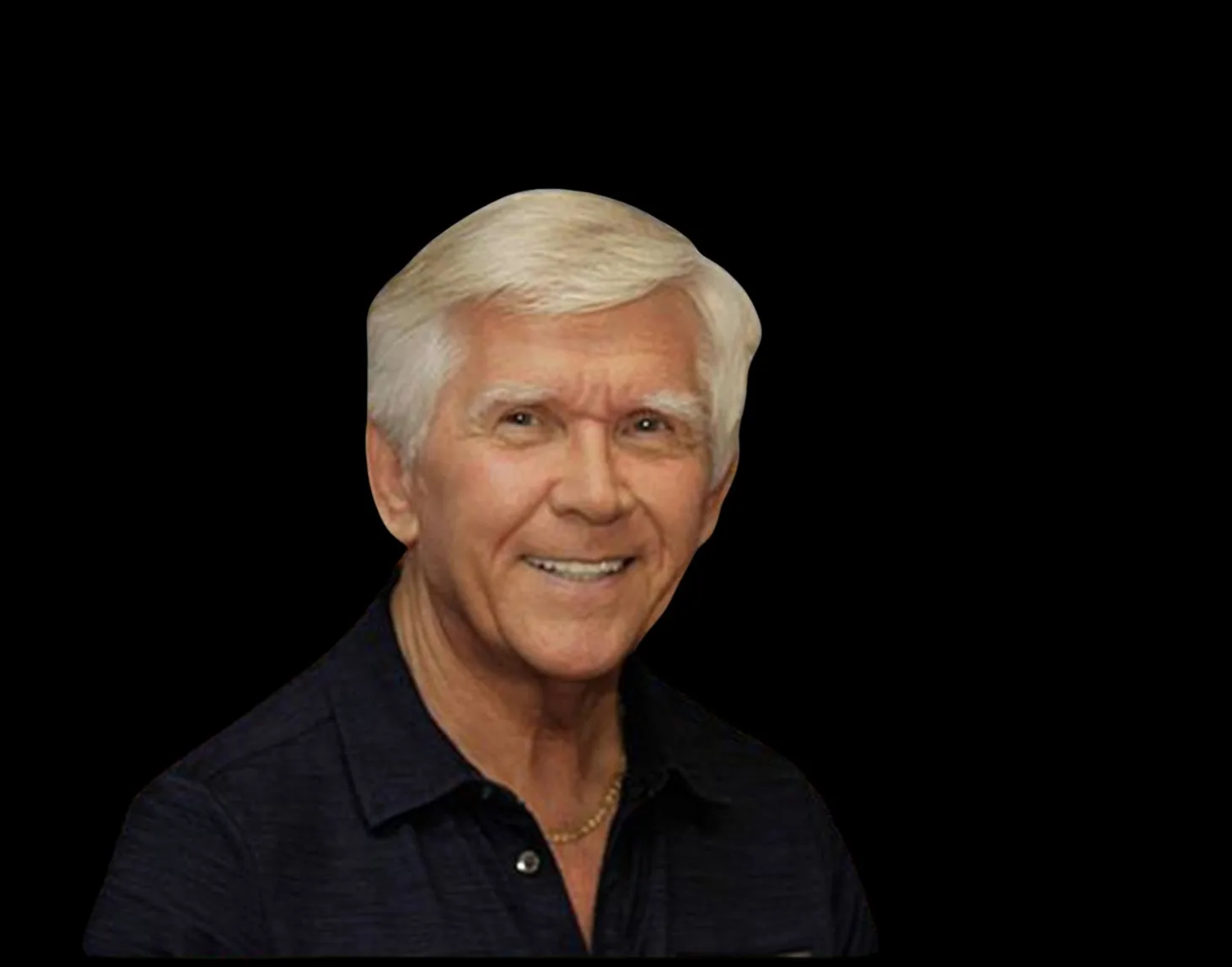
Doug Ranger
Broker/Owner, Ranger Realty. Licensed since 1997. Certified Distressed Property Expert (CDPE).
Talk Through Your Situation
Doug offers a free, no-obligation consultation for families, executors, and trustees protecting or selling an inherited home.