Wildfire Season and the Inherited Home: What Executors and Trustees Should Know
By Doug Ranger, Broker/Owner, Ranger Realty, CDPE
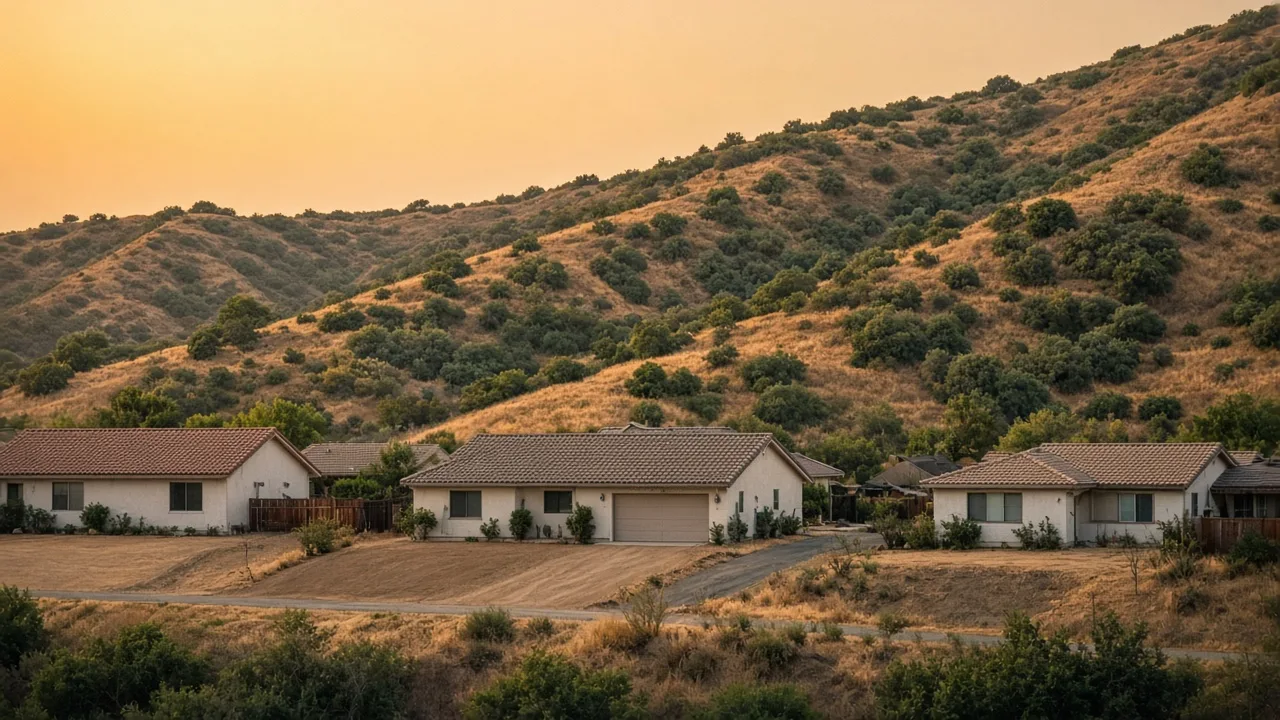
Much of the real estate in Ventura County and western Los Angeles County sits in communities shaped by fire risk, from the hills of Thousand Oaks to the canyons above Malibu. When a homeowner dies, fire season does not wait for the estate to be settled. For executors, trustees, and heirs, a few careful steps in the first weeks can protect an inherited home, its insurance, and its value, without alarm and without guesswork.
Insurance Is the Foundation
The homeowners policy does not transfer automatically after a death. Whoever is acting for the estate should confirm that the policy is still in force, that premiums are being paid from estate funds, and that the insurer knows who to contact and who to pay a claim to. This is the single most important fire-season step, and it is often the most overlooked, because a lapse does not announce itself until a claim is filed.
In high-risk areas, replacing a lapsed policy can be difficult and expensive. Many owners in those areas carry their coverage through the California FAIR Plan, the state's insurer of last resort, which provides basic fire coverage and is often paired with a separate difference-in-conditions policy that restores the broader protections of a standard homeowners policy. That combination only works when someone keeps the premiums current, which after a death means the executor or trustee. For the broader picture of how a policy behaves when a homeowner dies, including vacancy clauses, see What Happens to Homeowners Insurance After a Homeowner Dies.
Maintain the Defensible Space
California law requires 100 feet of defensible space around homes in state responsibility areas under Public Resources Code section 4291, and the rules divide that space into zones: an ember-resistant zone within five feet of the structure, a more intensively cleared zone closest to the home, and a fuel-reduction zone extending outward. The responsibility to keep that space maintained follows the property, so after a death it falls to the trustee or executor.
Yards can go months without care while an estate is open, and dry brush, overgrown grass, and accumulated leaves around an empty home raise the risk not only to that home but to the neighbors who share the hillside. Budget for periodic maintenance, keep records of the work, and treat the defensible space as a recurring task rather than a one-time cleanup. A home that is ready for fire season is also a home that is ready to be shown and sold.
Prepare the Property Before Fire Season
A short checklist, completed in the first month of the estate, covers most of what matters:
Confirm the Coverage and the Contact
Verify the policy is active, pay the premium from estate funds, and give the insurer the current contact information for the executor or trustee. Ask how the estate would file a claim and what documentation the carrier expects.
Clear the Vegetation
Maintain the required defensible space, remove debris from the roof and gutters, and trim trees away from the roofline. In the ember-resistant zone near the house, keep the area clear of combustible material, since embers carried ahead of a fire are how most homes ignite.
Document the Home
Take dated photographs of the home's interior and exterior, and of the furnishings and personal property inside, and keep the record with the estate's other documents. An inventory made now is the evidence that supports a claim later, and it also serves the probate inventory when the estate is being administered.
Make the Property Accessible
Keep the house number clearly visible from the street, and make sure gates do not block access for fire crews. Simple details like these matter most in the hours when a decision about a home is made.
If a Fire Damages the Home
If the home is damaged, notify the insurer promptly, take photographs before any cleanup begins, and take reasonable steps to protect the property from further damage, since policies generally expect owners to prevent additional loss. Keep every receipt for emergency repairs and storage. The mortgage does not pause: payments remain due while the insurance claim is processed, and the estate may need to keep making them from estate funds. A damaged home also changes the estate's timeline and the eventual sale, so the earlier the carrier is involved, the more room the estate has to plan.
No family should assume a fire will come to their hillside. The point is that a plan is worth having: the insurance confirmed, the brush cleared, the photographs taken. Those steps cost little and are within the executor's or trustee's control, and they are the difference between a home that is prepared and a home that is merely hoping.
Why This Connects to the Bigger Picture
A home that loses its insurance or suffers unrepaired damage can quietly become a distressed property, in a trust or without a trust, because its value and its protection decline together. The same early action that protects the mortgage protects the home from the elements, and both protect the family's equity. The steps in keeping an inherited home from becoming a foreclosure begin with the lender, and the steps here begin with the home itself.
"Fire season is part of life in much of Southern California, and an inherited home still answers to it. The executor or trustee who confirms the insurance and keeps the brush cleared has done more to protect the home than almost any other single step."
Doug Ranger, CDPE
An inherited home carries the family's history and the estate's value, and neither is served by leaving fire season to chance. The work is not complicated: a phone call to the insurer, a schedule for the yard, and a set of photographs. Done in the first weeks, it lets the family turn their attention to the estate itself, knowing the house is as ready as it can be.

Doug Ranger
Broker/Owner, Ranger Realty. Licensed since 1997. Certified Distressed Property Expert (CDPE).
Talk Through Your Situation
Doug offers a free, no-obligation consultation for families, executors, and trustees protecting or selling an inherited home.