Loan Assumption vs. Loan Modification After a Homeowner Dies
By Doug Ranger, Broker/Owner, Ranger Realty, CDPE
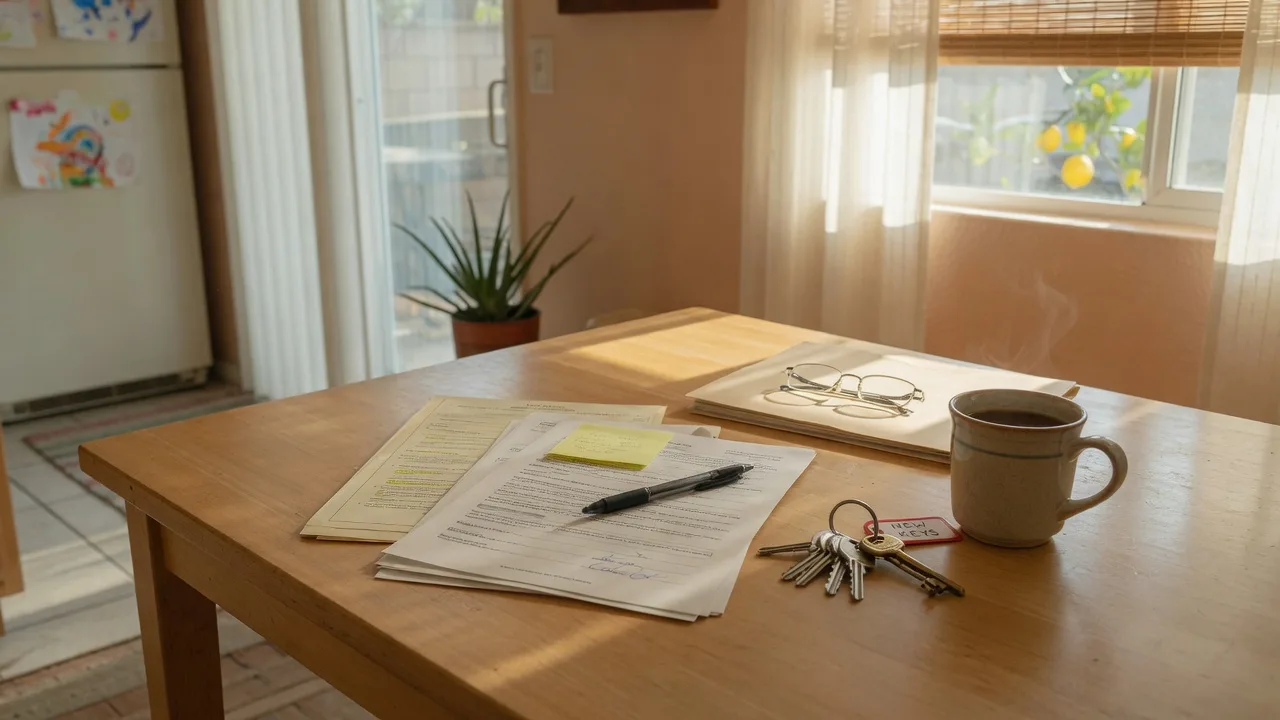
After a homeowner dies and the family wants to keep the home, two words come up again and again: assumption and modification. A loan assumption transfers the mortgage into the heir's name while keeping the original terms, and a loan modification changes the terms of the existing loan for someone who continues to hold it. They serve different situations, and choosing the right one depends on who the family wants on the loan and whether the current payments are workable.
What Is a Loan Assumption?
An assumption puts a new borrower in the place of the deceased homeowner. The heir takes over the loan, keeps the existing interest rate, the remaining term, and the same balance, and becomes the borrower of record. In most cases the heir must qualify for the loan, which is where the loan type matters a great deal.
The practical value of an assumption is that it can lock in a favorable interest rate from a loan originated years ago, often far below today's rates, and it avoids the cost of a new mortgage. For a family that wants to keep the house, an assumption can be the most economical path available.
What Is a Loan Modification?
A modification changes the terms of the existing loan rather than moving it to a new borrower. The servicer may lower the interest rate, extend the term, or in some cases add missed payments to the balance, so the monthly amount fits the family's budget. The loan stays in the name of the original borrower or the estate, and the family makes the new, adjusted payments.
A modification is a loss-mitigation option. It is typically available when the home will be kept but the current payments are more than the estate or the family can reasonably manage, and it often requires proof of hardship. For a family facing a payment they cannot sustain, a modification can prevent the account from falling further behind.
The Key Differences at a Glance
The Garn-St. Germain Protections for Heirs
Under the federal Garn-St. Germain Depository Institutions Act, a lender may not enforce a due-on-sale clause when a home with fewer than five dwelling units passes to a relative upon the borrower's death. In plain terms, the lender cannot call the loan due simply because the home was inherited. That protection applies whether the transfer is to a surviving spouse, a child, or another heir, and it means a family can keep the property and keep making payments without formally assuming the loan. We walk through the full rules in The Garn-St. Germain Act: Protections for Heirs Who Inherit a Mortgage.
This is worth understanding because it separates two questions. The first is whether the family can keep the home without the lender calling the loan due; under Garn-St. Germain, generally yes. The second is whether the family wants a formal assumption, which changes who is on the loan and typically opens the door to an assumption or a modification with the servicer.
FHA, VA, and Conventional Loans
The assumability of a loan depends heavily on its type. FHA loans are assumable: loans originated before December 1, 1986 are freely assumable, while newer FHA loans require the heir to pass the lender's creditworthiness review. VA loans are assumable with lender and VA approval, so a surviving spouse or other heir can step into the loan subject to those requirements. Conventional loans backed by Fannie Mae or Freddie Mac are generally not assumable by a third party, though a relative who inherits the home is still protected from acceleration under Garn-St. Germain. For the details on which family members can take over which loans, see Who Can Take Over the Mortgage After a Homeowner Dies?
The CFPB Successor in Interest Rule
One federal clarification removes a hurdle that used to worry families. The CFPB has explained that when a successor in interest who has already acquired title to the home is added to the mortgage in place of the deceased borrower, the lender is not required to apply the full ability-to-repay underwriting that applies to a new loan. In practical terms, a family member who inherits the home does not have to pass the same credit and income test as a new buyer simply to be added to the existing loan.
The companion rule under Regulation X requires servicers to treat a confirmed successor in interest as a borrower: the family can get loan information and apply for loss mitigation, including a modification, even before formally assuming the loan, and a servicer may not require an assumption as a condition of confirming that status. We explain how to establish the status in What Successor in Interest Status Means After a Homeowner Dies.
How to Decide Which Path Fits
The decision usually comes down to a few questions. Does the family want to keep the home? If not, a sale, including a probate sale or a short sale when the loan exceeds the value, is often the more direct answer, and we cover those in Steps to Keep an Inherited Home From Becoming a Foreclosure.
If the family does want to keep the home, the next question is whether the current payment is sustainable. When it is, an assumption can lock in the existing rate and terms, especially on an FHA or VA loan. When the payment is more than the budget can hold, a modification is the more fitting path. Either way, the first call is to the servicer to notify it of the death and confirm who will act on the loan, which we outline in How to Contact the Mortgage Lender After a Homeowner Dies.
The Documents You Will Need
Both paths begin with the same paperwork: a certified copy of the death certificate, proof of your identity, proof of authority such as Letters Testamentary or the trustee's certification, a copy of the will or trust, and records of the family relationship. Gathering these before the first call keeps the conversation moving. We keep the full list current in What Documents Do Lenders Need After a Homeowner Dies?
"An assumption keeps the loan you have. A modification reshapes the loan to fit. Knowing which one your family needs comes down to the payment, the loan type, and the plan for the home."
Doug Ranger, CDPE
No family should have to choose between these paths without understanding both. Doug has guided probate, trust, and inherited-property sales across Ventura County and Southern California since 1997, and he works alongside estate attorneys to help families sort the mortgage options calmly, without pressure.

Doug Ranger
Broker/Owner, Ranger Realty. Licensed since 1997. Certified Distressed Property Expert (CDPE).
Not Sure Which Path Fits Your Family?
Doug offers a free, no-obligation consultation for families, executors, and trustees deciding what to do with the home and its mortgage.