Selling an Inherited Home Without Probate in California
By Doug Ranger, Broker/Owner, Ranger Realty, CDPE
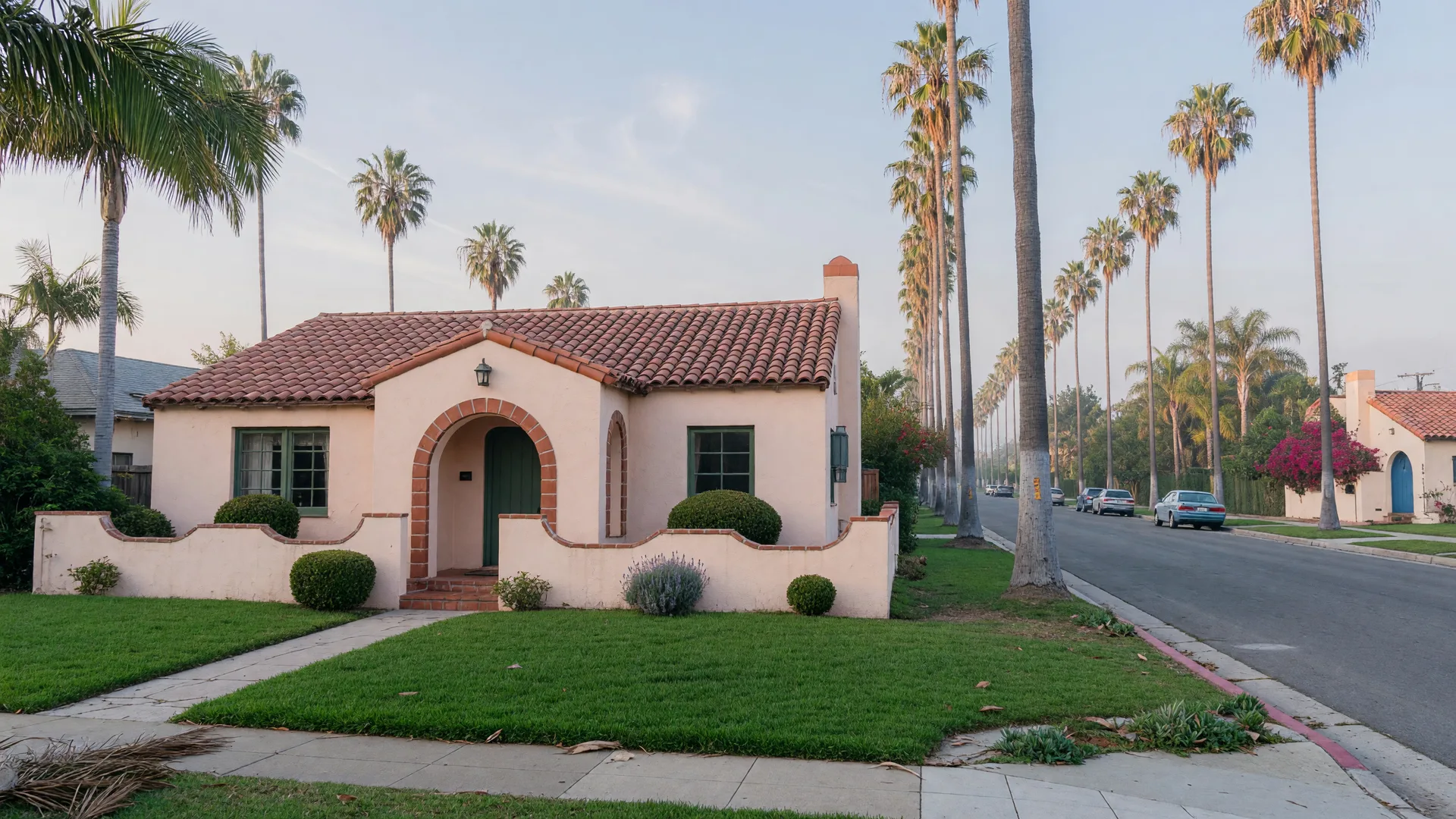
In California, not every inherited home goes through probate. Whether a house can be transferred or sold without court supervision depends on how the property was titled and on the value of the estate. For estates that qualify, California provides several paths that let a home pass to heirs without full probate, and knowing which one applies can change the timeline, the paperwork, and the cost of settling the estate.
When Property Passes Outside Probate Completely
Some homes never enter probate at all, because the law passes them directly to a surviving owner or beneficiary. Property held in joint tenancy with right of survivorship goes to the surviving joint tenant automatically. Community property with right of survivorship does the same for a surviving spouse. A home held in a living trust passes to the beneficiaries through the trust, with the successor trustee holding title and authority without a court.
In each of these situations, the transfer happens by operation of law or by the terms of the written document, and no judge is involved. The mortgage and property tax questions do not go away, because the loan and the lien stay attached to the home, but the court process is not part of the picture. As we discuss in our comparison of probate and trust sales, this is what makes a trust sale fundamentally different from a probate sale.
The Small-Estate Affidavit for Real Property
When a decedent held real property in their own name and the estate is small enough, California offers an affidavit procedure under Probate Code Section 13200, using the Judicial Council's form DE-305. The key requirements are that the gross value of all of the decedent's California real property does not exceed the current limit and that at least six months have passed since the death.
The limit is set by the date of death, and California raised it in 2025: for deaths on or after April 1, 2025, the real property threshold is $69,625. The successor completes the affidavit, files it with the court, and records it with the county recorder. Once recorded, the affidavit transfers title to the successor named in it, who can then keep or sell the home like any owner. Because the threshold is modest, it fits a small parcel or a partial interest far more often than a whole family home in markets like Ventura County, but for the estates it does fit, it avoids a full administration entirely.
The Small-Estate Affidavit for Personal Property
Families sometimes hear about a much larger California small-estate figure and assume it applies to the family home. It does not. The better-known small estate affidavit under Probate Code Sections 13100 to 13101, with its limit of $208,850 for deaths on or after April 1, 2025, covers personal property only: bank accounts, vehicles, securities, and similar assets. Real estate has its own, lower threshold, and it is worth confirming with a probate attorney which form, if any, applies before relying on the wrong one.
The Petition for Succession to a Primary Residence
Since April 1, 2025, California has added another route that avoids full probate for a family home. Under Probate Code Section 13151, a surviving spouse or heir can petition the court to transfer the decedent's primary residence when the home's market value does not exceed $750,000. The court order transfers the home without a full administration of the estate.
This path still involves a court filing and a judge's order, but it is a targeted petition rather than the full probate process, and it can be a good fit for a primary home in many Southern California communities. The family still needs to establish the home's value and give notice in the manner the court requires.
When Full Probate Is Still the Necessary Path
Formal probate is required when the real property exceeds the limits above, when the estate's overall situation calls for court supervision, or when family members disagree about how the property should be handled. It is also the route that buyers and title companies know best when a home stands in the decedent's name alone: the court appoints the executor or administrator, approves the sale, and confirms it, which gives a buyer a clean, court-approved chain of title.
Far more California family homes pass through probate than through the small-estate affidavit, simply because most homes are worth more than the thresholds. The point is to know the difference early. A guide to inheriting a house and our overview of probate in Southern California both walk through the process families can expect when probate does apply.
How Selling Differs After One of These Paths
The practical difference is in who holds title at the sale. With a trust sale or a completed small-estate transfer, the successor already owns the home, so the sale is an ordinary sale by an owner: no court confirmation hearing and no overbid period. In a probate sale, the court must confirm the sale, which is a distinct step that protects the estate's value but adds time, a process we explain in detail in our article on court confirmation of probate sales.
Whichever path applies, the mortgage, property taxes, insurance, and utilities keep running while the estate is being settled, and keeping those current protects the options. Our guide to protecting the home while the estate is open covers the obligations to keep up with during that period.
First Steps for Families
- Confirm how the property is titled: sole name, joint tenancy, community property, or a trust. The deed and the estate planning documents answer this.
- Establish the date-of-death value of the home through an appraisal or a well-supported market analysis, because that value drives both the probate threshold decisions and the tax basis.
- Ask a California probate attorney which route applies to your family's situation, and bring them the deed, the death certificate, and the most recent property tax bill.
- Keep the mortgage, property taxes, and insurance current while the transfer is being arranged, so nothing moves toward default in the meantime.
"The question is not whether a family can avoid probate, but which path fits the home and the family that inherited it. Once the deed, the value, and the current limits are known, the right route usually becomes clear."
Doug Ranger, CDPE
Not every inherited home needs a courtroom, and the families who learn that early tend to feel a little lighter. The rules and dollar figures change over time, so the safest first step is a conversation with a probate attorney and a real estate professional who works with estates, before decisions are locked in.

Doug Ranger
Broker/Owner, Ranger Realty. Licensed since 1997. Certified Distressed Property Expert (CDPE) specializing in probate, trust, and inherited property sales throughout Southern California.
Talk Through Your Situation
Doug offers a free, no-obligation consultation for families, executors, and trustees navigating an inherited home in Southern California, including whether probate can be avoided.